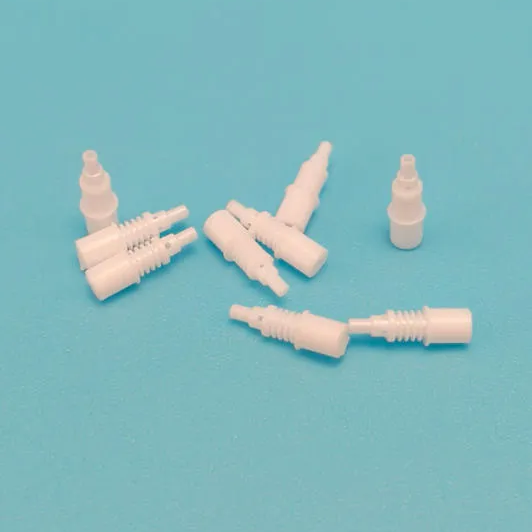
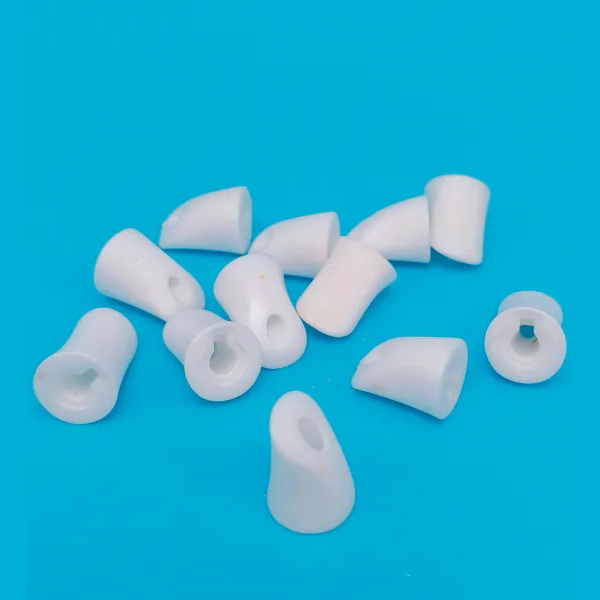
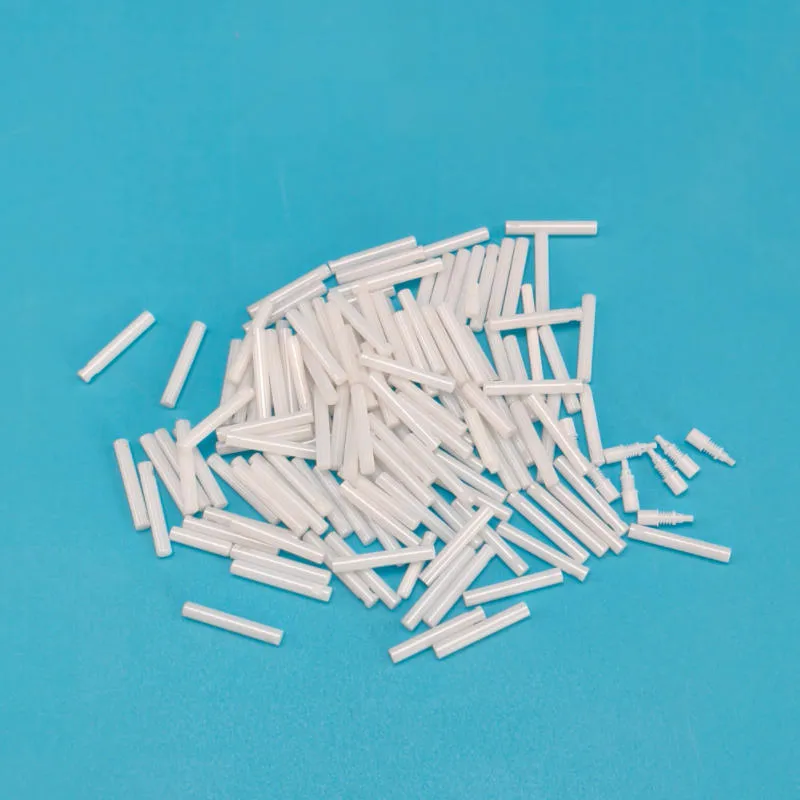
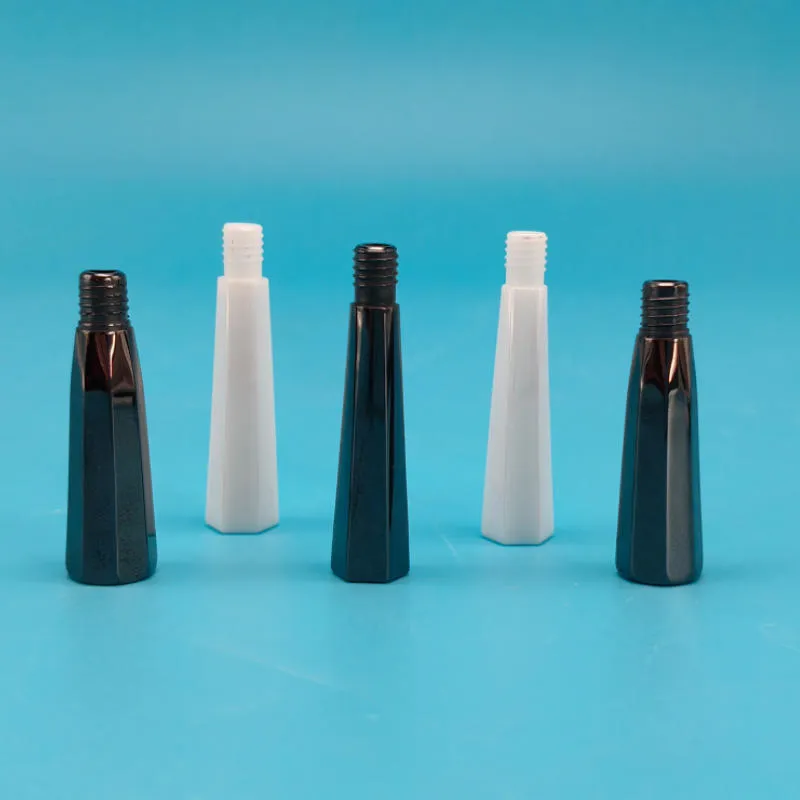
Injection molding ceramic parts

Hunan Guoci New Material Technology Co., Ltd.

Zirconia Ceramic Handle,Zirconia Ceramic Parts
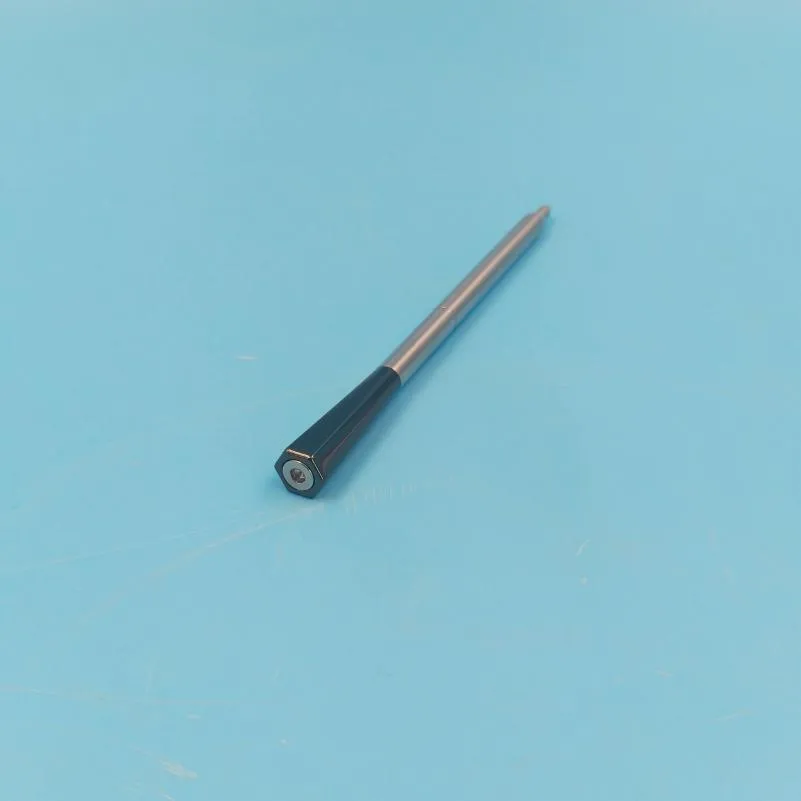
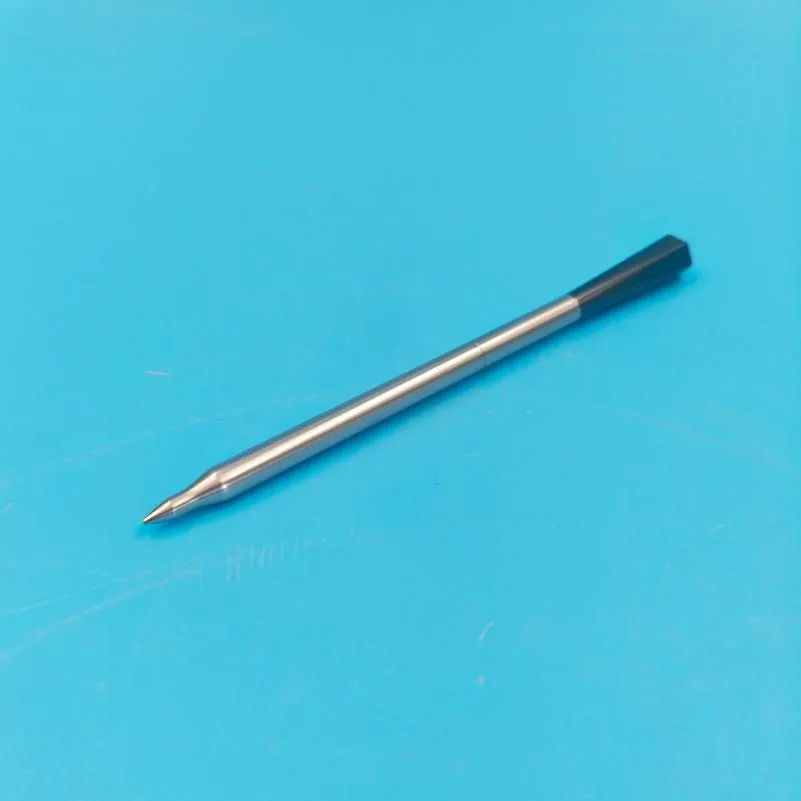
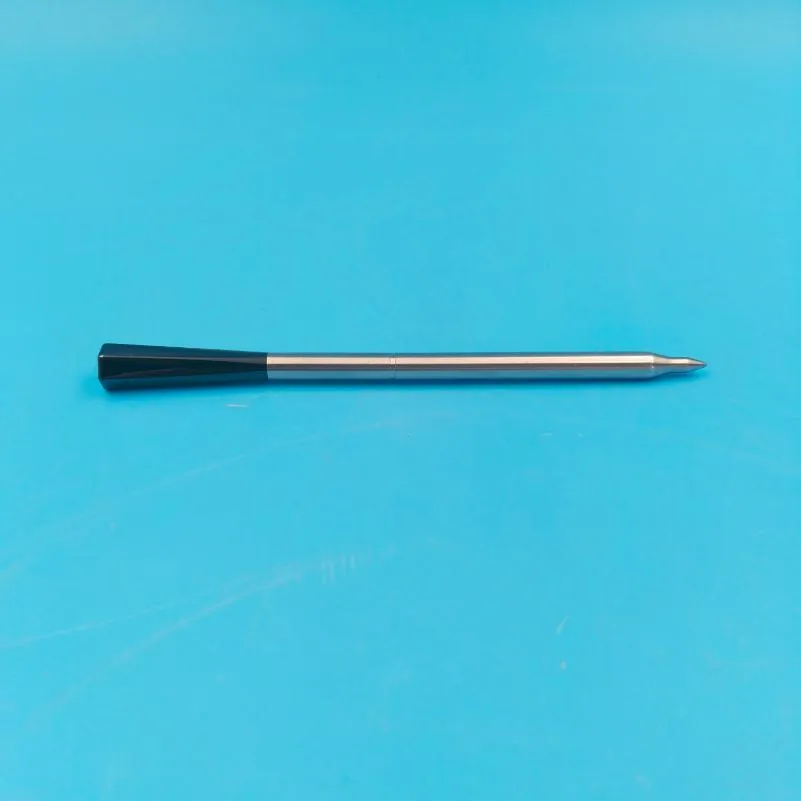
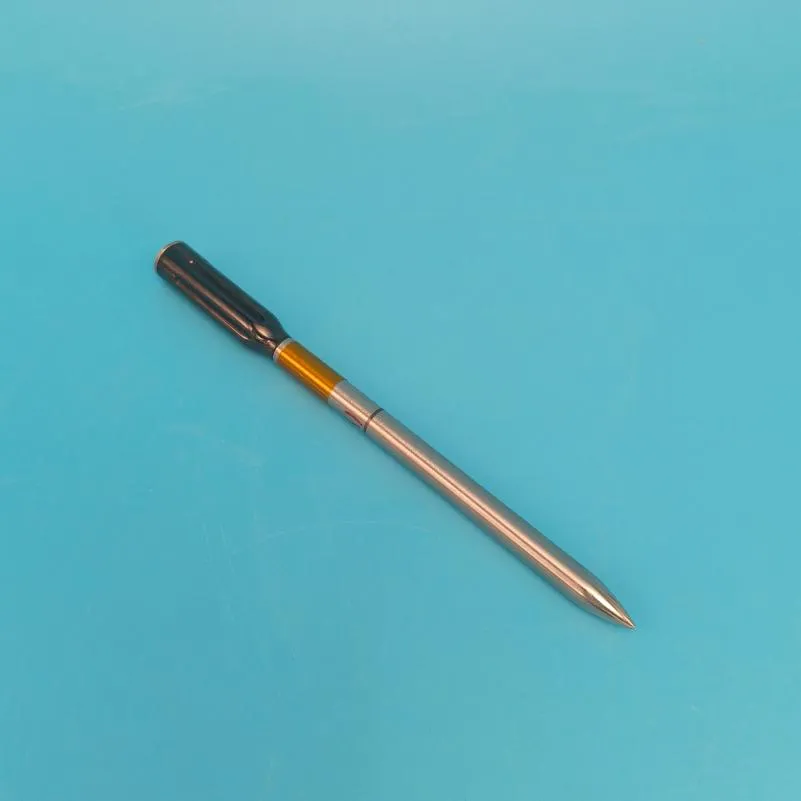
Zirconia Ceramic Handle and Stainless Steel Probe Assembly for Food Temperature Monitoring
Zirconia handle and stainless steel probe assembly for food temperature measurement
Zirconia handle and stainless steel food temperature probe assembly, designed for food temperature monitoring (e.g., meat, baking, liquids, etc.).
Zirconia handle and stainless steel food temperature probe assembly food temperature monitoring (e.g., meat, baking, liquids, etc.).

Zirconia Ceramic Handle and Stainless Steel Probe Assembly for Food Temperature Monitoring


Material: Zirconium Oxide, Zirconia, ZrO2

Sizes:Min-OD: 0.02mm; Max-length: 500mm

Features:High fracture toughness, Excellent wear resistance, Low coefficient of friction, Excellent biocompatibility.

Customized: Can be custom for special sizes and shapes

Delivery Times:2 -25 days(depends on the structure and quantity)

  1. Fracture Toughness (MPa·m¹/²): 6 - 12
  2. Refractoriness: 1000℃
  3. Density: 5.9-6.0 g/cm3
  4. Flexural Strength (MPa): 800-1300
  5. Thermal Conductivity: 2.5W/M.K
Transport Package: Cartons

Shipment: by sea by air by courier by post etc.

    Welcome to leave us a message

  • Close

Product Description

This is an assembly featuring a zirconia ceramic handle and a stainless steel probe, designed specifically for food temperature monitoring (e.g., for meat, baking, liquids, etc.).

The combination of a zirconia ceramic handle and a stainless steel probe represents a premium configuration for the food industry, offering superior safety and hygiene. Zirconia (ZrO₂) is known as "ceramic steel" due to its exceptional hardness and strength.

Performance Advantages (Why use this combination?)

1. Advantages of the zirconia ceramic handle

Exceptional biosafety and food-grade compliance
  • Zero heavy metal leaching: Unlike metal handles, zirconia is completely free of harmful heavy metals such as lead and cadmium, and it does not undergo chemical reactions or release substances. 
  • Fully Certified: Naturally complies with the strictest FDA (USA) and EU (EU 10/2011) standards for food-contact materials; free from plasticizer risks.

Antimicrobial and Stain-Resistant; Prevents Cross-Contamination
  • Ultra-low porosity: High-temperature sintered zirconia features an extremely dense, smooth surface (free of micropores). Meat juices, oils, bacteria, and mold cannot penetrate or adhere to the ceramic surface. 
  • Easy to clean: Rinses clean instantly; unlike plastic or wood, it does not retain odors or harbor bacteria, making it ideal for the high-frequency cleaning and disinfection protocols used in food processing plants.

Resistant to Strong Acids, Alkalis, and Extreme Temperatures
  • Chemical resistance: Completely resistant to corrosion from prolonged exposure to various food-grade cleaning agents (such as acidic descalers or highly alkaline disinfectants). 
  • Temperature resistance: Withstands extreme temperature fluctuations (-50°C to 200°C); it will not crack or deform whether moved directly from a freezer to a high-temperature sterilization oven.

Excellent Thermal and Electrical Insulation
  • Burn prevention: Ceramic has a much lower thermal conductivity than metal. When probing high-temperature food fresh from the oven or fryer (e.g., 200°C roasted meat), the handle remains cool to the touch, effectively protecting the operator's fingers from burns. 
  • Electrical insulation: Acts as an insulating medium to block electrical currents, ensuring that electronic thermometer readings remain free from external interference and data remains accurate.

Exceptional Hardness and Wear Resistance
  • Scratch resistance: With a Mohs hardness of 8–9, the material remains unmarked by accidental drops or tool scratches during daily production, eliminating the risk of surface wear creating crevices where dirt and grime could accumulate.

2. Advantages of Stainless Steel Probes

  • Rapid heat conduction and fast response: Stainless steel offers excellent thermal conductivity, allowing it to quickly detect internal temperature changes in food and reduce the time required to obtain a reading. 
  • High mechanical strength and puncture resistance: Stainless steel offers high hardness and toughness, allowing it to easily pierce frozen meat, hard baked goods, or fruit without bending or breaking. 
  • Easy to clean and heat-resistant: The smooth stainless steel surface resists food residue buildup and withstands high-temperature sterilization via boiling or direct flame (depending on the specific grade, typically food-grade 304 or 316).

3. Overall advantages of the assembly (synergistic effect)

  • Separation of heat conduction and insulation: The stainless steel component handles heat conduction and temperature sensing, while the zirconia component provides thermal insulation for handling, achieving a perfect functional separation. 
  • Hygienic and easy to clean: The seamless design (when joints are properly finished) prevents dirt accumulation and complies with food-contact material standards. 
  • Lightweight and aesthetically pleasing: Zirconia ceramic has a moderate density; combined with a slender stainless steel probe, the assembly is lightweight, and the black-and-white color scheme offers a modern look.

Application Areas

This assembly is ideally suited for temperature-sensing scenarios requiring high-temperature resistance, puncture capability, heat protection, and corrosion resistance:


1. Food processing and cooking (Core application)
  • Meat roasting/smoking: Inserted into steaks or roasts to monitor internal temperature (e.g., 55°C for medium-rare, 71°C for well-done); the handle remains cool to the touch, facilitating operation near ovens or grills. 
  • Deep-frying: Measures oil temperature or the internal temperature of fried chicken; the heat-resistant zirconia handle prevents burns when working near hot oil. 
  • Baking and confectionery: Measures the temperature of syrups or chocolate mixtures; the stainless steel probe resists sticking, while the ceramic handle protects against heat. 
  • Central kitchens and food factories: Used for rapid spot-checks of internal food temperatures on production lines; corrosion-resistant and easy to clean/sterilize.

2. Accessories for household and commercial kitchen appliances
  • Serves as the probe assembly for high-end electronic thermometers (e.g., wireless meat thermometers, Bluetooth thermometers). 
  • Functions as an external temperature-sensing probe for smart cooking appliances (e.g., ovens, air fryers, slow cookers).

3. Laboratory and Scientific Research (Food-related)
  • Used for sample temperature measurement in food science experiments; requires probes to be contamination-free and resistant to acid and alkali corrosion.

4. Other Industrial/Medical Applications
  • Medical/Dental: Oral thermometer probes (must meet requirements for medical-grade zirconia and stainless steel). 
  • Chemical Industry: Temperature measurement of corrosive liquids or high-temperature melts (materials other than food-grade must be selected for these applications).