99% Alumina Ceramic Energy Recovery System for Seawater Desalination
Product Description
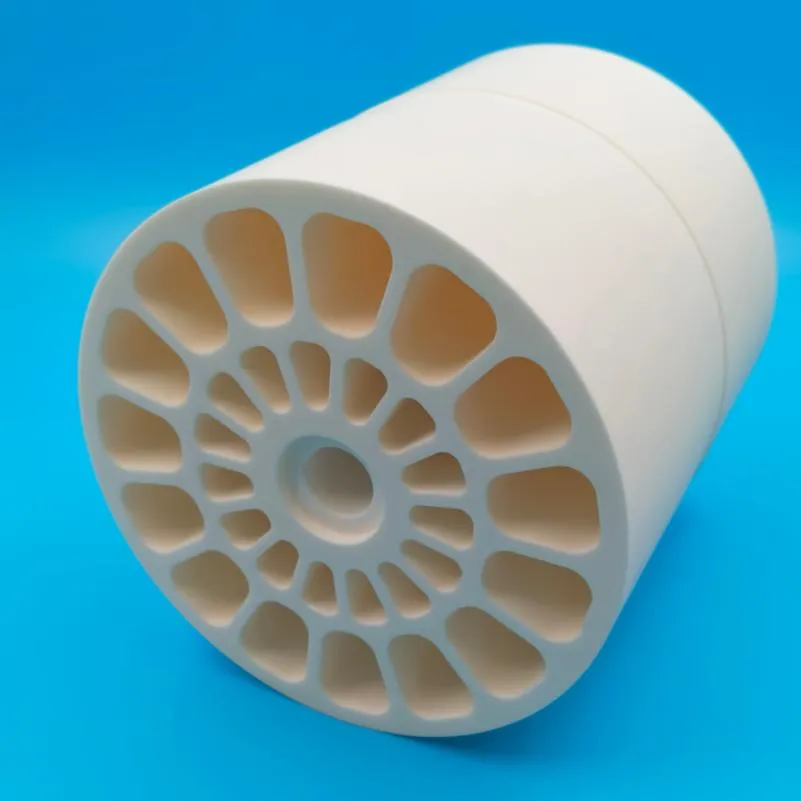
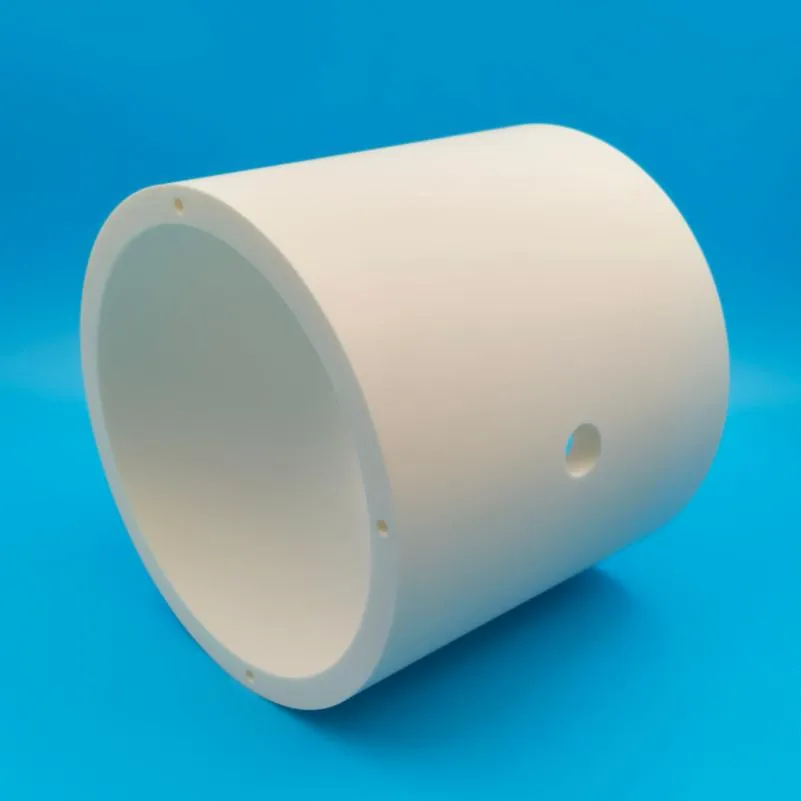
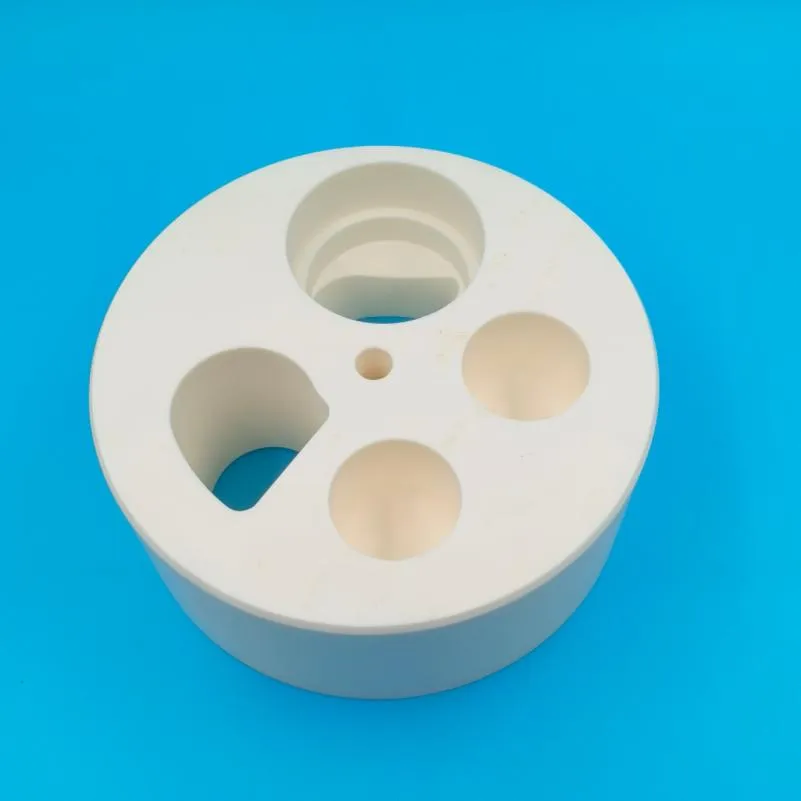
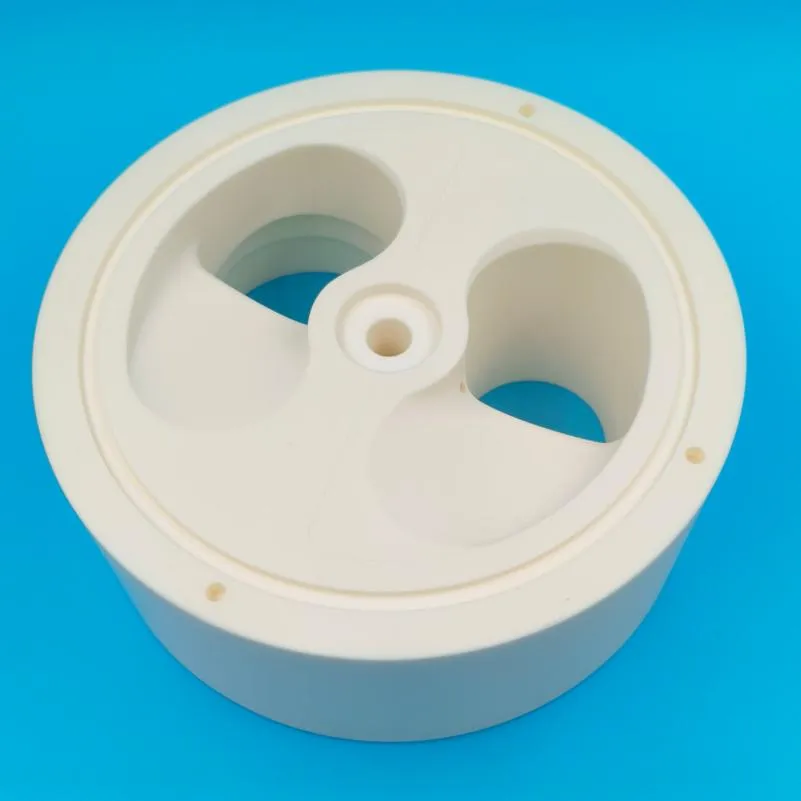
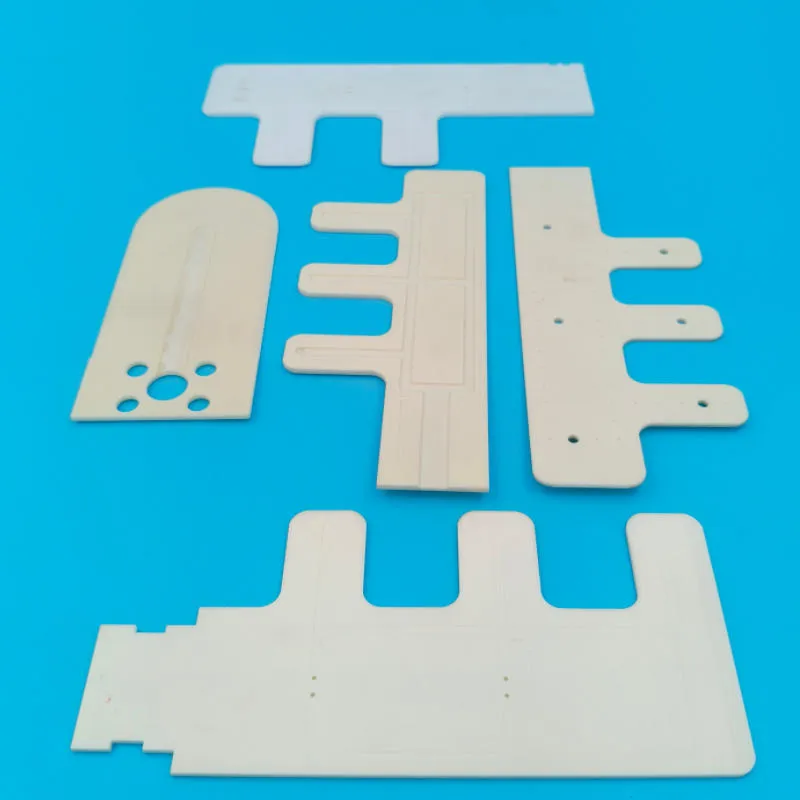
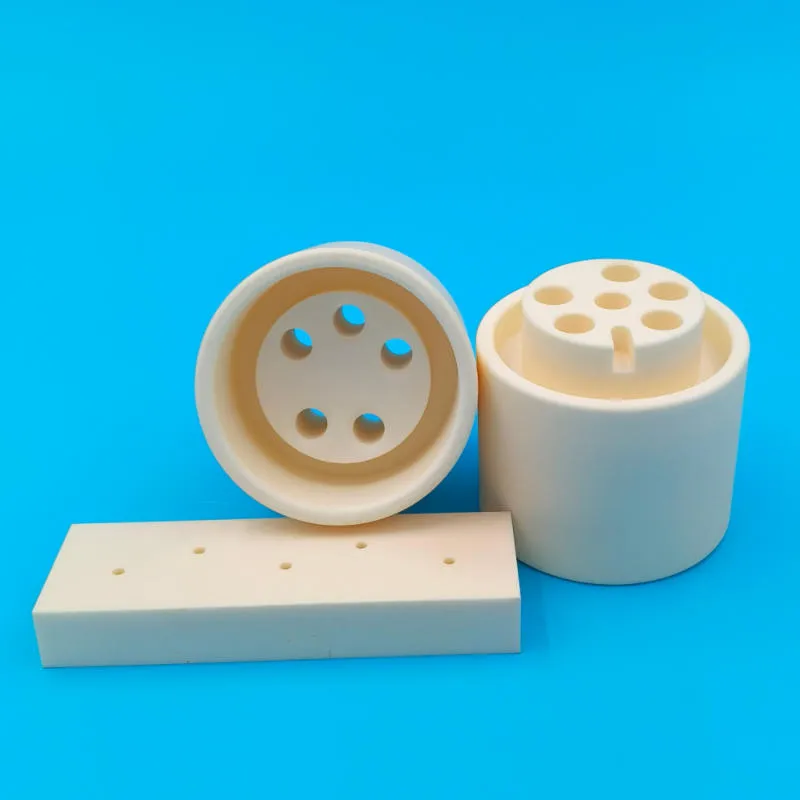
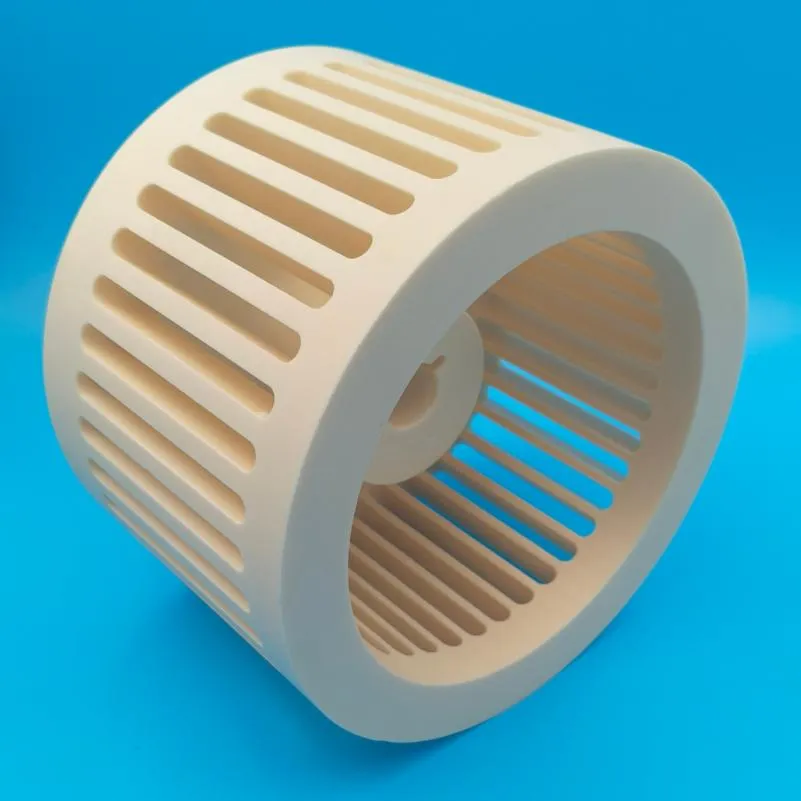
Alumina ceramic energy recovery systems (including rotor, stator, and upper and lower end caps) are core energy-saving equipment in reverse osmosis (RO) processes during seawater desalination. By efficiently recovering the pressure energy of high-pressure concentrated brine, they significantly reduce system energy consumption. Positive displacement devices, with high-purity alumina ceramics as the core component, are particularly outstanding, achieving energy recovery efficiencies up to 97%.
The application of alumina ceramics in seawater desalination energy recovery systems mainly refers to its use as a durable material in the core component, the "pressure exchanger" (PX). It is not used for power generation, but rather utilizes its superior corrosion and wear resistance to efficiently recover the pressure energy of concentrated brine under extremely high pressure, thereby reducing the energy consumption of seawater desalination by nearly 60%.
Performance Advantages
This system utilizes direct contact pressure exchange technology with a liquid piston to directly transfer the energy from the high-pressure concentrated brine (pressures up to 4.8–6.0 MPa) generated during the reverse osmosis process to the low-pressure feed water, significantly reducing the energy consumption of the high-pressure pump. Its core advantage lies in the key moving components—the rotor and sleeve—which are made of high-purity
99% alumina ceramic, offering the following performance advantages:
Ultra-high wear resistance and long lifespan: Alumina ceramic has a Mohs hardness of 9, and combined with a precise clearance design, it forms a near-frictionless hydrodynamic bearing, resulting in minimal wear and a lifespan far exceeding that of metal materials.
Strong corrosion resistance: It can operate stably for extended periods in high-salt, high-chloride seawater environments, avoiding the corrosion and scaling problems of traditional metal components.
Simple structure and high reliability: The system has only a rotor as a moving part, resulting in a low failure rate and low maintenance costs, making it suitable for unmanned island or ocean-going vessel scenarios.
Working principle: How does pressure exchange occur?
Simply put, it is an "isobaric positive displacement" process. The core of the device is a rotor made of high-purity alumina ceramic, which is the only moving part in the system.
Energy Capture: After seawater is treated by the reverse osmosis membrane, the resulting high-pressure concentrated brine (wastewater) still contains significant pressure energy. This flow is introduced into the energy recovery unit.
Direct Transfer: The high-pressure concentrated brine comes into direct contact with low-pressure fresh seawater introduced from the other side of the device within the channels of the ceramic rotor, transferring the pressure energy to the seawater with almost no loss.
Energy Circulation: The pressurized fresh seawater is then pressurized again by a small-power circulation pump before being sent to the reverse osmosis system, significantly reducing the burden on the main high-pressure pump.
Application Areas
This technology is widely used in seawater desalination plants and zero-discharge industrial wastewater projects. It can reduce the overall energy consumption of the reverse osmosis system by approximately 40%, and the power consumption per ton of water from the traditional 8 kWh to 2–3 kWh, achieving an energy saving rate of up to 70%, resulting in significant economic and environmental benefits.
Originally designed for large-scale desalination plants, this technology, thanks to its modular nature, has now been widely applied in fields requiring high-pressure fluid processing, such as industrial wastewater treatment, reclaimed water reuse, and even nanofiltration for brine purification.



 +86 181 0845 7259
 Marketing@guociceramic.com
 English
 Español
 Deutsch
 اللغة العربية
 Русский язык