Custom Components

Hunan Guoci New Material Technology Co., Ltd.

Alumina Ceramic Parts,Ceramic Classifying Wheel,Ceramic Classifier
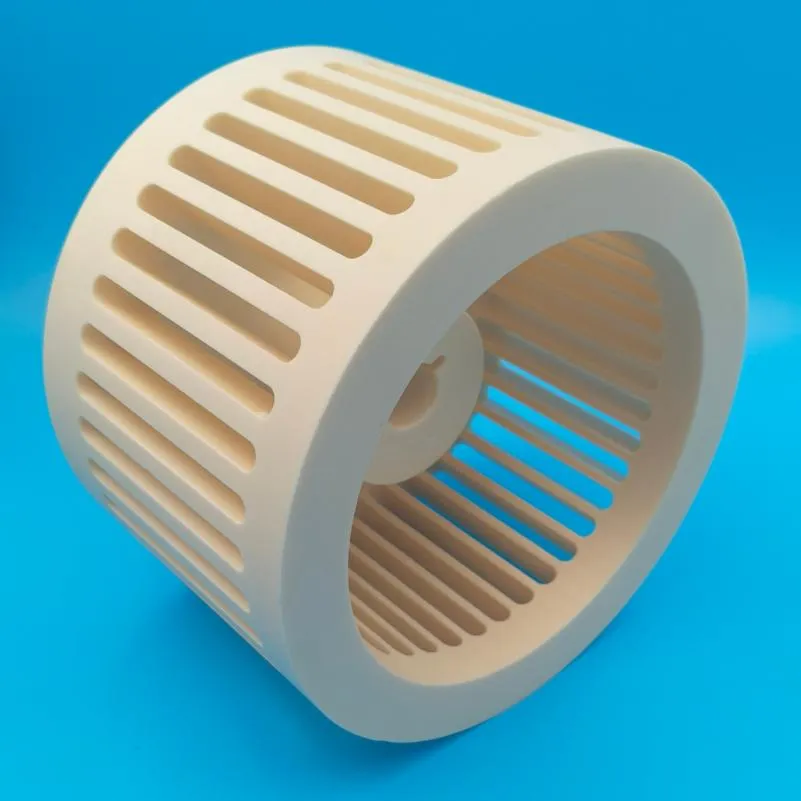
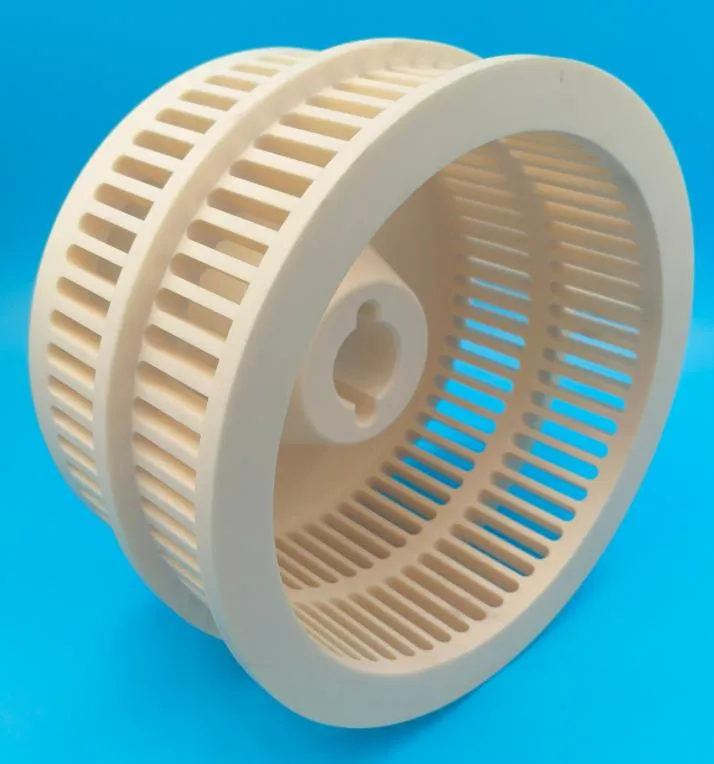
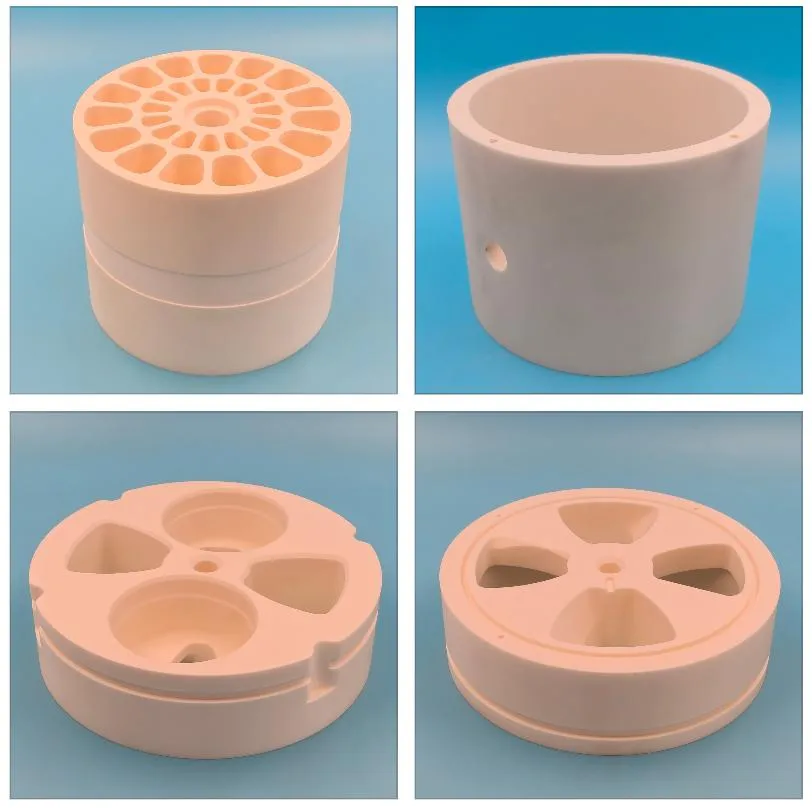
99% Alumina Ceramic Classifying Wheel for Pulveriser Machine
99% Alumina Ceramic Classifying Wheel and Classifier

99% Alumina Ceramic Classifying Wheel for Pulveriser Machine Grinding and Classification


Material: Aluminum Oxide, Alumina, 95%-99.8% Al₂O₃

Sizes:Min-OD: 0.02mm; Max-length: 500mm

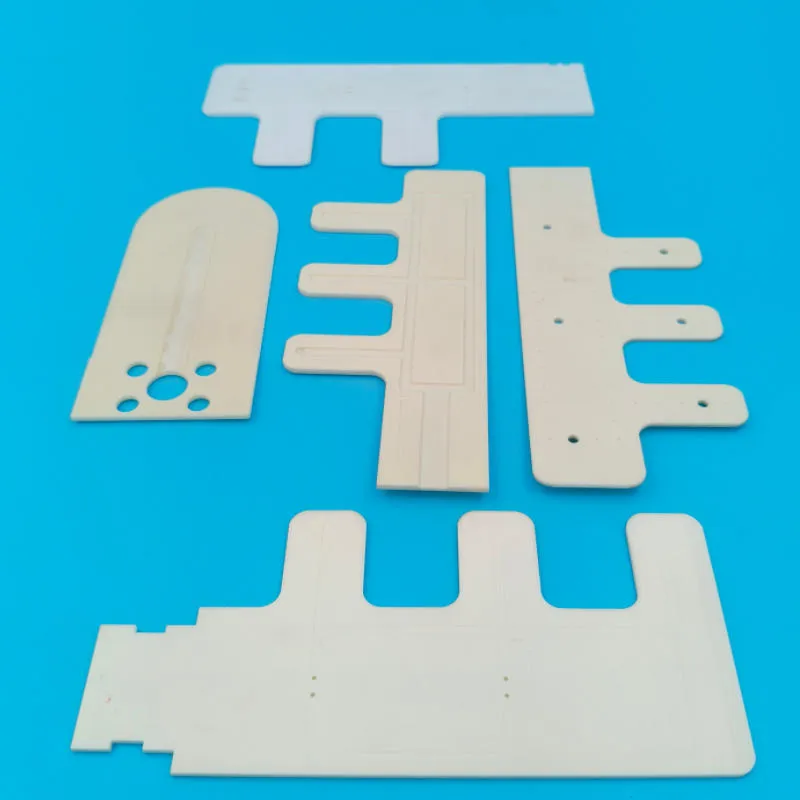
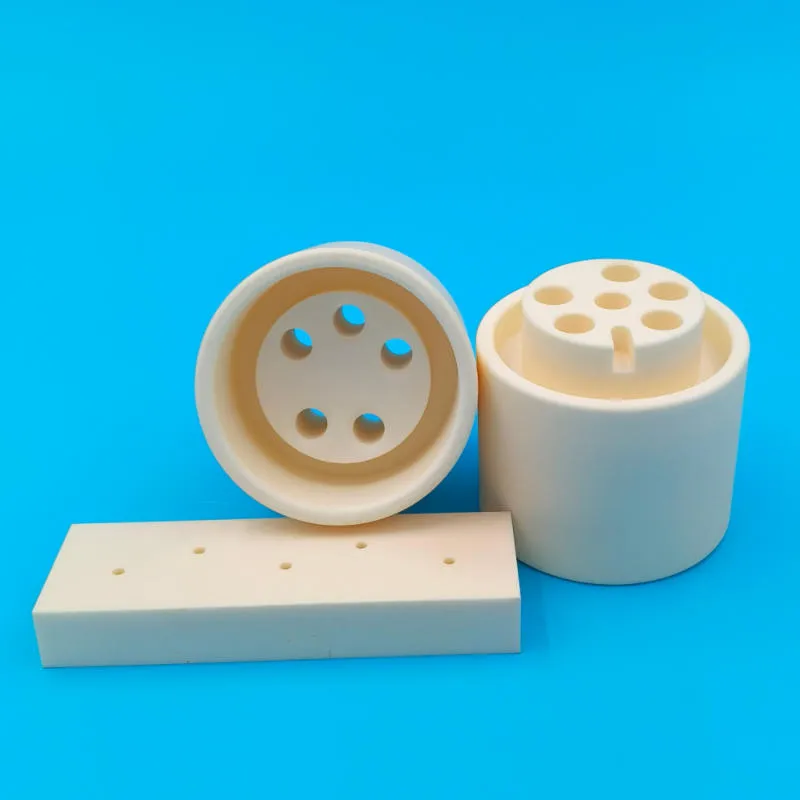
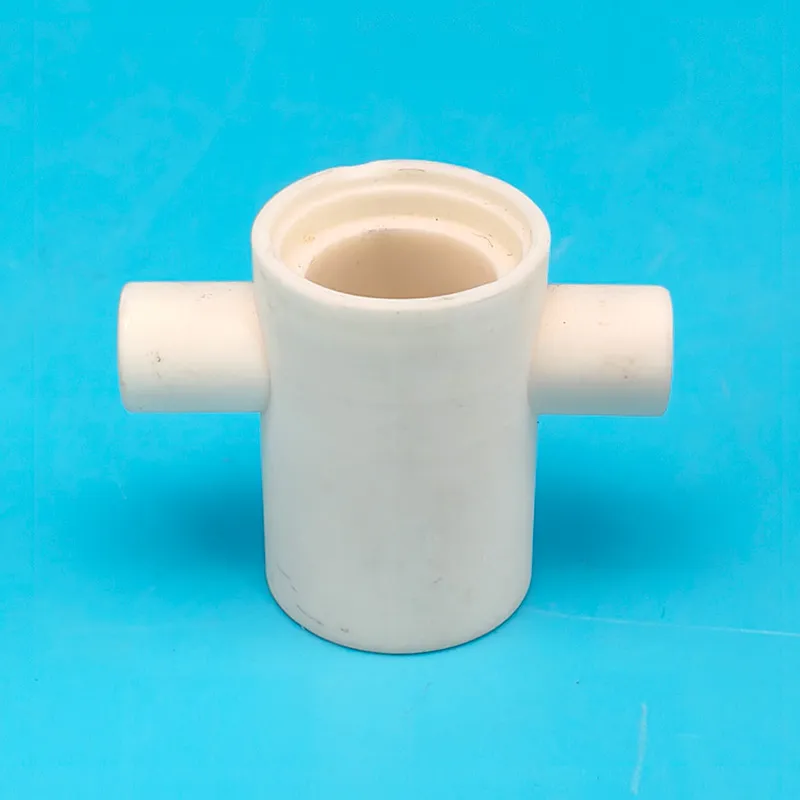
Customized: Can be custom for special sizes and shapes

Delivery Times:2 -25 days(depends on the structure and quantity)

Features:High hardness, High temperature resistance, Wear resistance, Corrosion resistance, High insulation

  1. Fracture Toughness (MPa·m¹/²): 3.8-4.4
  2. Refractoriness: 1500-1750℃
  3. Density: 3.7-3.95g/cm3
  4. Flexural Strength (MPa): 300-375
  5. Thermal Conductivity: 25-30W/M.K
Transport Package: Cartons, Wooden Box

Shipment: by sea by air by courier by post etc.

    Welcome to leave us a message

  • Close

Product Description

The 99% alumina ceramic classifier wheel is a rotary classifier made from alumina (Al₂O₃) powder with a purity of no less than 99% through precision molding and high-temperature sintering. It is primarily used in air jet mills to achieve precise particle size classification of ultrafine powders. Its structure typically consists of multiple high-precision ceramic blades mounted on a high-speed rotating shaft. Under the combined action of centrifugal force and airflow, qualified fine powder is separated and discharged, while coarse particles are returned for further grinding.


The alumina ceramic classifier wheel is a core component designed to solve the problems of equipment wear and contamination in ultrafine classification of high-hardness, high-purity materials. Essentially, it is a high-speed rotating turbine that uses centrifugal force to precisely "throw" fine particles away from coarse particles, achieving accurate classification.

Core Performance Advantages

Compared to traditional metal grading wheels, its advantages are mainly reflected in the following aspects:

1. Ultra-high hardness and wear resistance, long service life

  • Alumina ceramics (Al₂O₃) have a Rockwell hardness of HRA85 or higher and a Mohs hardness of 9, second only to diamond. It can easily withstand prolonged impacts from high-hardness materials (such as Mohs hardness ≤5), resulting in a service life far exceeding that of metal materials.

2. No metal contamination, ensuring product purity

  • In the processing of high-purity materials such as lithium battery cathode materials and high-purity alumina, the ceramic material can 100% isolate metal debris contamination caused by equipment wear, preventing magnetic impurities such as iron, chromium, and nickel from mixing into the powder, thus ensuring product purity.

3. Strong high-temperature resistance and chemical stability

  • It can operate stably for extended periods in high-temperature environments of 1650–1900℃, making it suitable for high-temperature pulverization processes.
  • Insoluble in water, only slightly soluble in strong acid and alkali solutions, exhibiting strong corrosion resistance, suitable for handling corrosive materials in chemical and pharmaceutical industries, as well as other harsh chemical production environments.

4. Dense and smooth surface, non-stick, high grading accuracy

  • The ceramic surface undergoes precision grinding, resulting in a high degree of smoothness and effectively preventing powder adhesion and clogging.
  • Combined with an adjustable blade design, it can achieve narrow distribution grading with D97: 2–40μm, meeting the stringent requirements of high-end powders for particle size consistency.

Typical Application Areas

Based on the above properties, alumina ceramic classifying wheels have become standard equipment in many high-end powder processing stages.

1. Lithium-ion Battery Cathode Material Processing in the New Energy Industry

  • In the airflow milling process of lithium iron phosphate and ternary materials (NCM/NCA), the use of 99% alumina ceramic classifying wheels has become industry standard. Specifically designed for the ultra-fine grading of lithium iron phosphate, lithium cobalt oxide, and other battery cathode materials, it is an ideal choice for achieving high-purity, narrow-particle-size finished products.
  • Its metal-free contamination characteristic directly impacts battery energy density and safety, and it has been incorporated into the supply chain standards of major battery manufacturers such as CATL and BYD.

2. Electronic Ceramics and Magnetic Materials

  • Used for the fine classification of electronic ceramic powders such as barium titanate, alumina powder, and ferrite, it can precisely control the fine cutting with D100 ≤ 10μm.
  • Ensuring consistency in dielectric constant and sintering shrinkage rate, it is widely used in the manufacture of high-end components such as MLCCs (multilayer ceramic capacitors), sensors, and inductors.

3. Non-metallic Minerals and Fine Chemicals

  • In the ultrafine grinding of kaolin, talc, and precipitated barium sulfate, ceramic classifying wheels can achieve contamination-free classification, improving product whiteness, dispersibility, and flowability, meeting the needs of high-end coatings, paper fillers, and plastic modification.

4. Pharmaceutical and Food-Grade Powders

  • Suitable for processing scenarios such as ultrafine powders of traditional Chinese medicine, pharmaceutical excipients (such as lactose), and food additives, meeting GMP clean production requirements and ensuring the safety and contamination-free nature of end products.

99% alumina ceramic classifiers are key components in air jet milling and classification equipment. With their ultra-high hardness, excellent wear resistance and no metal contamination, they have become an indispensable high-performance consumable in the field of high-purity powder processing, such as lithium batteries and electronic materials.