Ceramic Plates

Hunan Guoci New Material Technology Co., Ltd.

Ceramic Plates,Ceramic Liners
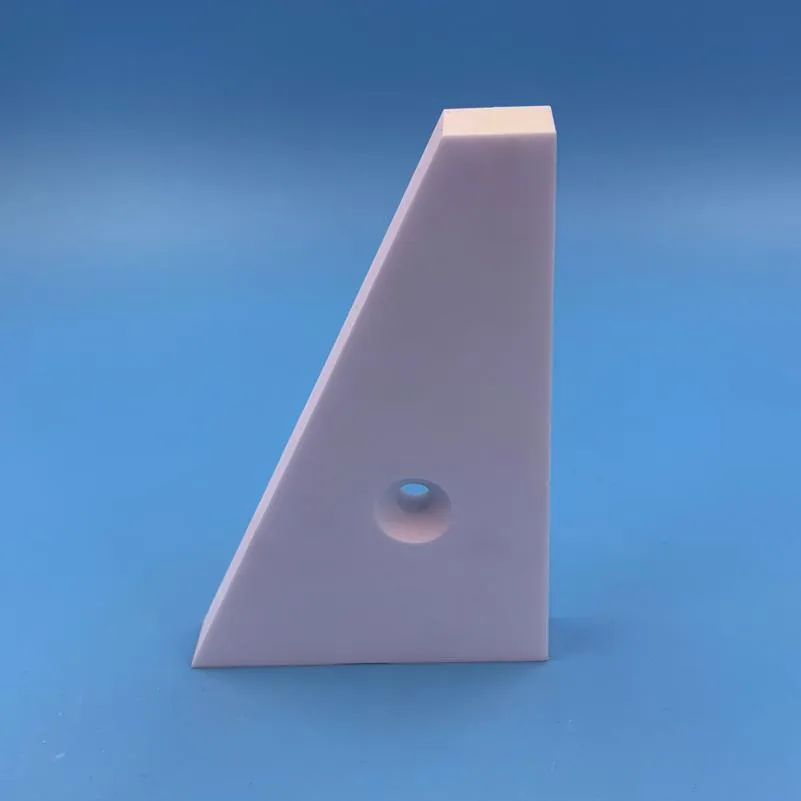
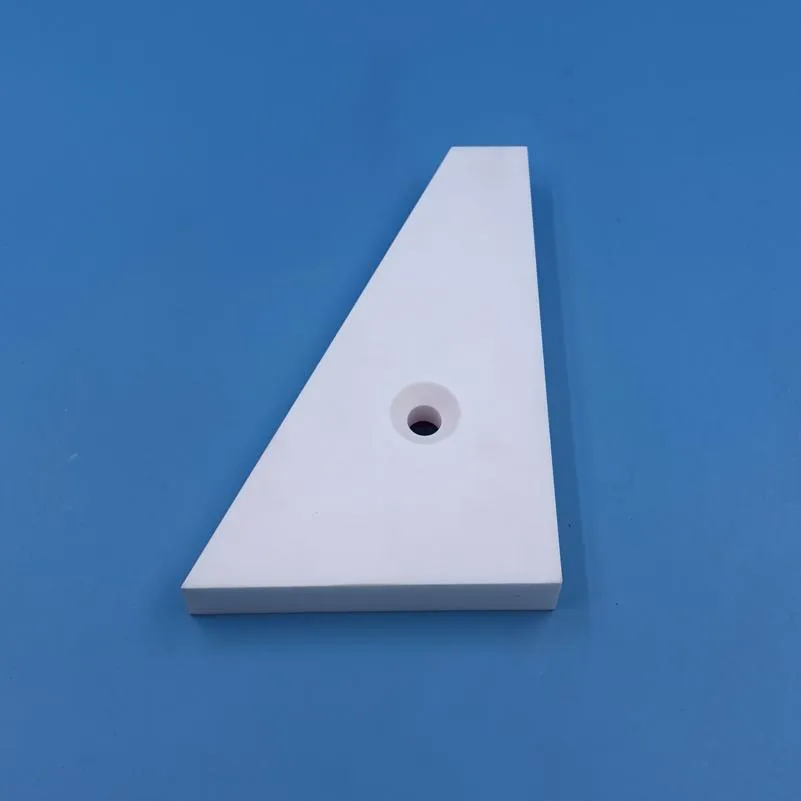
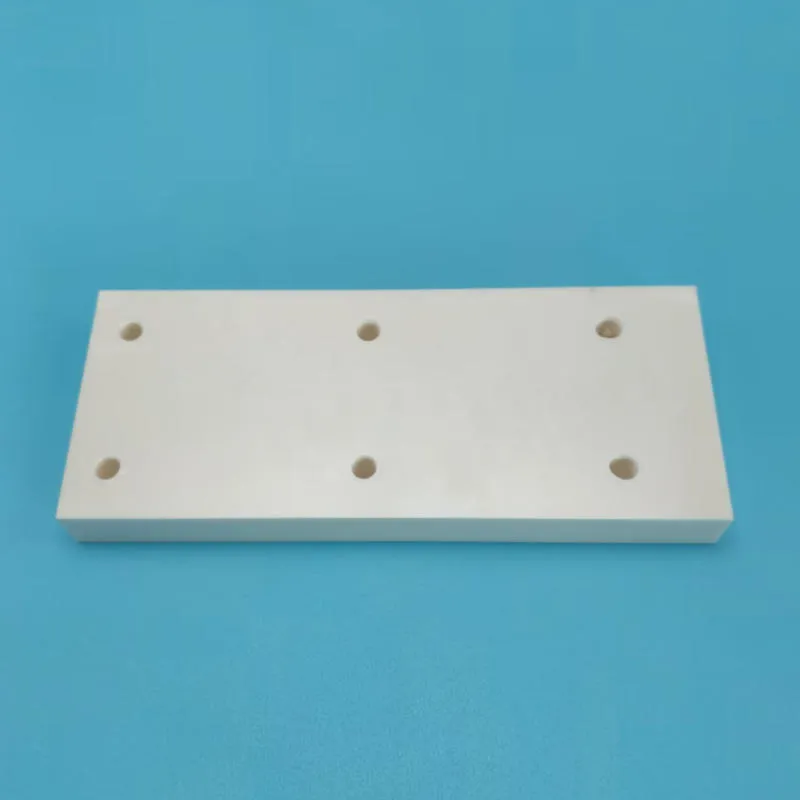
95% Alumina Ceramic Trapezoidal Plates with Central Mounting Holes
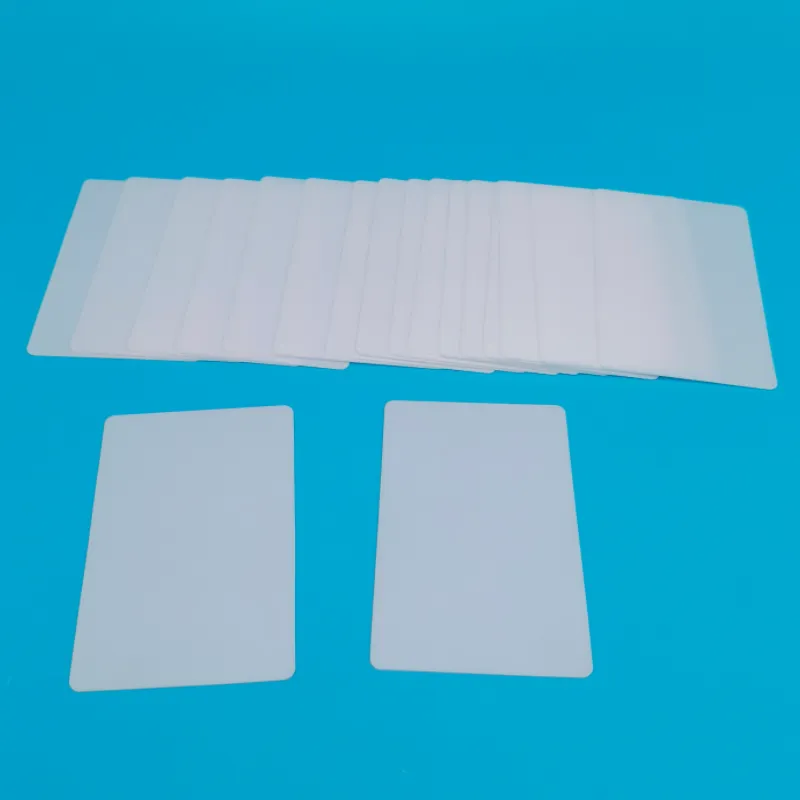
Wear-Resistant 95% Alumina Ceramic Liners

95% Alumina Ceramic Trapezoidal Plates with Central Mounting Holes and Wear-Resistant Ceramic Liners


Material: Aluminum Oxide, Alumina, 95%-99.9% Al₂O₃

Sizes:Min-OD: 0.02mm; Max-length: 500mm

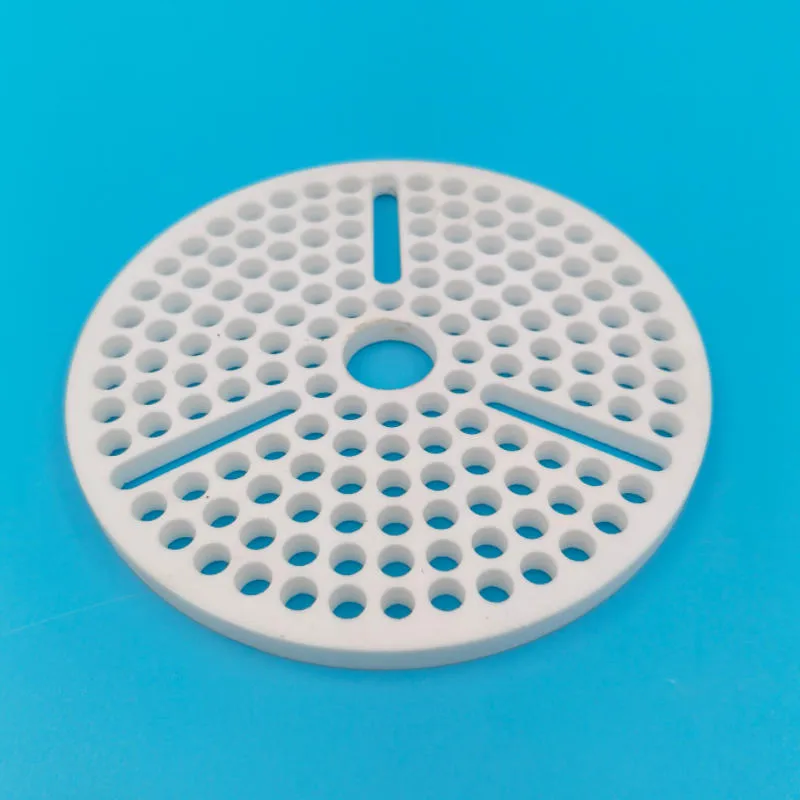
Customized: Can be custom for special sizes and shapes

Delivery Times:2 -25 days(depends on the structure and quantity)

Features:High hardness, High temperature resistance, Wear resistance, Corrosion resistance, High insulation

  1. Fracture Toughness (MPa·m¹/²): 3.8-4.4
  2. Refractoriness: 1500-1750℃
  3. Density: 3.7-3.95g/cm3
  4. Flexural Strength (MPa): 300-375
  5. Thermal Conductivity: 25-30W/M.K
Transport Package: Cartons, Wooden Box

Shipment: by sea by air by courier by post etc.

    Welcome to leave us a message

  • Close

Product Description

This is a specialized industrial wear-resistant component made of 95% alumina ceramic. It features a right-angled trapezoidal geometry with a countersunk mounting hole in the center and a dense, smooth surface. Such components are typically used in industrial applications as wear-resistant liners or structural ceramic parts; thanks to their high hardness, corrosion resistance, and excellent electrical insulation, they protect equipment substrates even under harsh operating conditions.

Key Performance Advantages

95% alumina ceramic is one of the most widely used engineering ceramics in industry, offering an optimal balance between performance and cost:

  • Exceptional Wear Resistance: With a Mohs hardness of 8.5–9 and a Rockwell hardness (HRA) of ≥86, this material offers more than 10 times the wear resistance of standard manganese steel, ensuring minimal material loss even under long-term erosion.
  • Strong Structural Adaptability: The trapezoidal, slanted-edge profile allows the component to fit perfectly against the inclined surfaces or corners of equipment. Unlike standard rectangular liners, this design eliminates unprotected "dead zones," preventing the accumulation or jamming of materials.
  • Convenient and Secure Installation: The pre-drilled hole allows for direct mechanical fastening via bolts. Compared to liners attached solely with adhesive, this method provides significantly higher impact resistance and ensures the components remain securely in place, even under conditions involving high levels of vibration.
  • High Environmental Tolerance: The material is chemically highly stable—resistant to most acids and bases (with the exception of hydrofluoric acid)—and can withstand long-term operating temperatures of up to 1500°C. It also possesses excellent electrical insulating properties. 
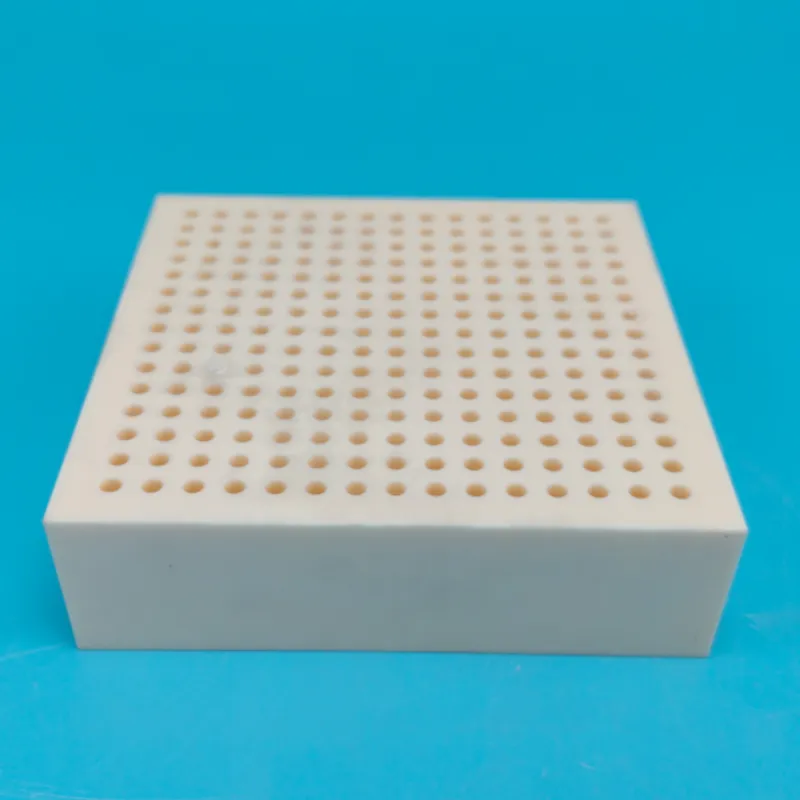
  • High Precision and Customizability: Achieving a post-sintering density of nearly 100%, these components allow for micron-level precision machining. Tolerances for complex geometries—such as angled edges and mounting holes—can be held as tightly as 0.001 mm, meeting the stringent fit requirements of precision tooling.

Key Application Areas

Wear-Resistant Linings for Heavy Industry: Widely used in mining, cement plants, thermal power plants, and steel mills. These components serve as protective wear liners for high-abrasion areas—such as hoppers, chutes, conveyors, and coal storage yards—shielding the underlying equipment from material erosion.

Metallurgical and Construction Machinery: Employed as wear-resistant structural components in machinery for metallurgy and construction materials. They are used in areas subject to material impact and friction, helping to reduce downtime for maintenance.

Chemical Processing and Anti-Corrosion Engineering: Utilized as corrosion-resistant linings in chemical equipment to withstand exposure to acids and alkalis; ideal for protecting the interior surfaces of reaction vessels, storage tanks, and similar units.

Power and Coal Industries: Used as wear-resistant ceramic liners in high-wear sections, such as coal handling and ash removal systems.

Flow-Directing Components: Functioning as custom-shaped guide vanes in powder classification and sorting equipment. The low-adhesion surface of the ceramic prevents material from accumulating on inclined planes, ensuring smooth material flow.

Precision Tooling and Positioning: Used for angled positioning blocks and fixture limit stops in automated equipment. Their high rigidity and precision ensure that positioning accuracy remains stable over long-term use.

Specialized Insulation and Thermal Protection: Serving as insulating, angled support components in high-temperature furnaces and electrical equipment. These parts provide both thermal insulation and electrical isolation, making them suitable for demanding environments involving high temperatures and high-voltage electricity.