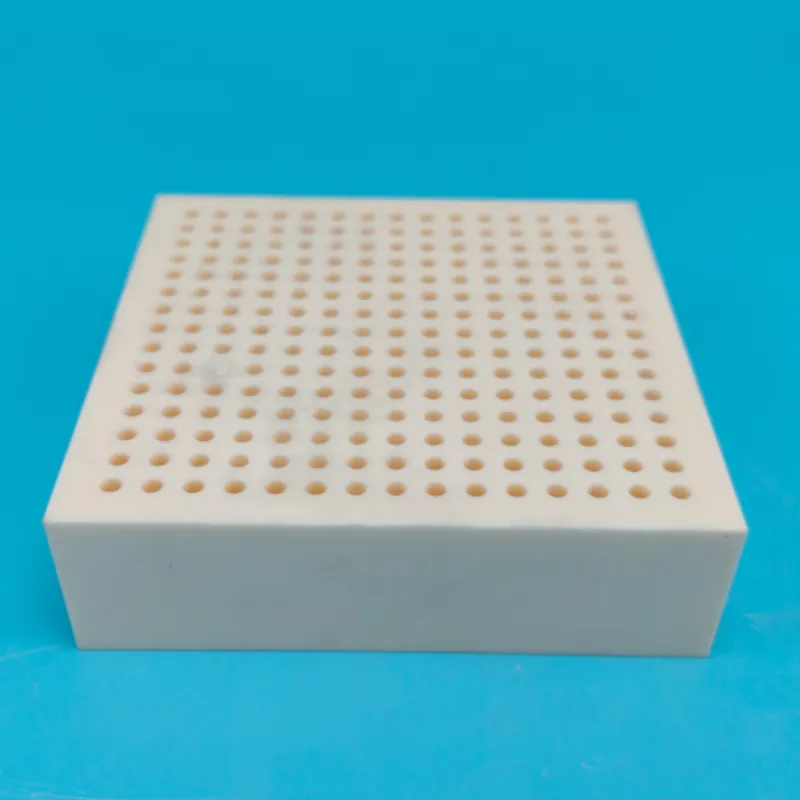
Ceramic Plates

Hunan Guoci New Material Technology Co., Ltd.

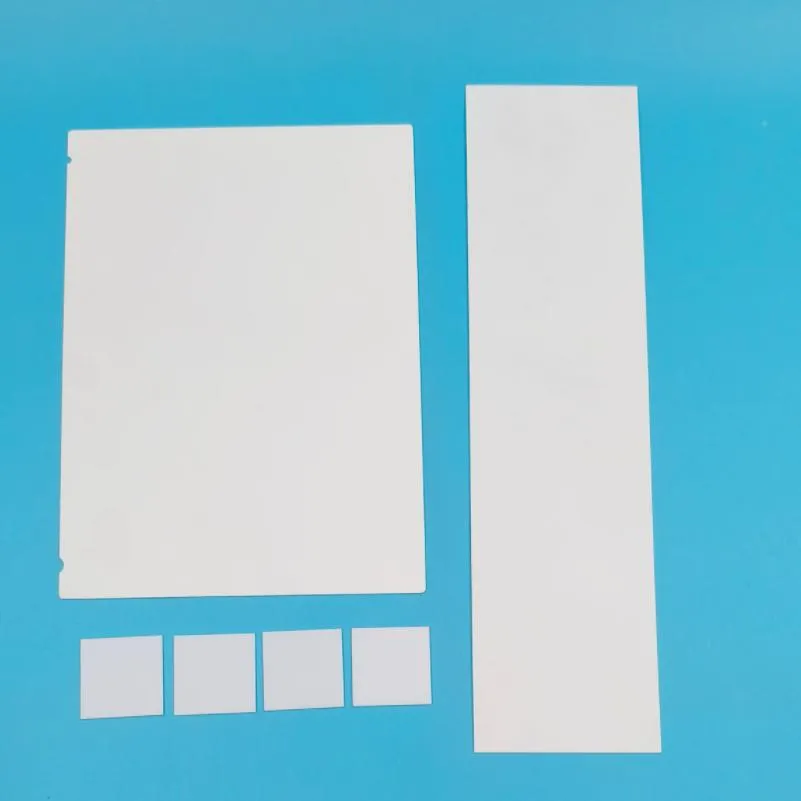
Ceramic Sheet,Ceramic Substrate
96% Alumina Ceramic Substrates

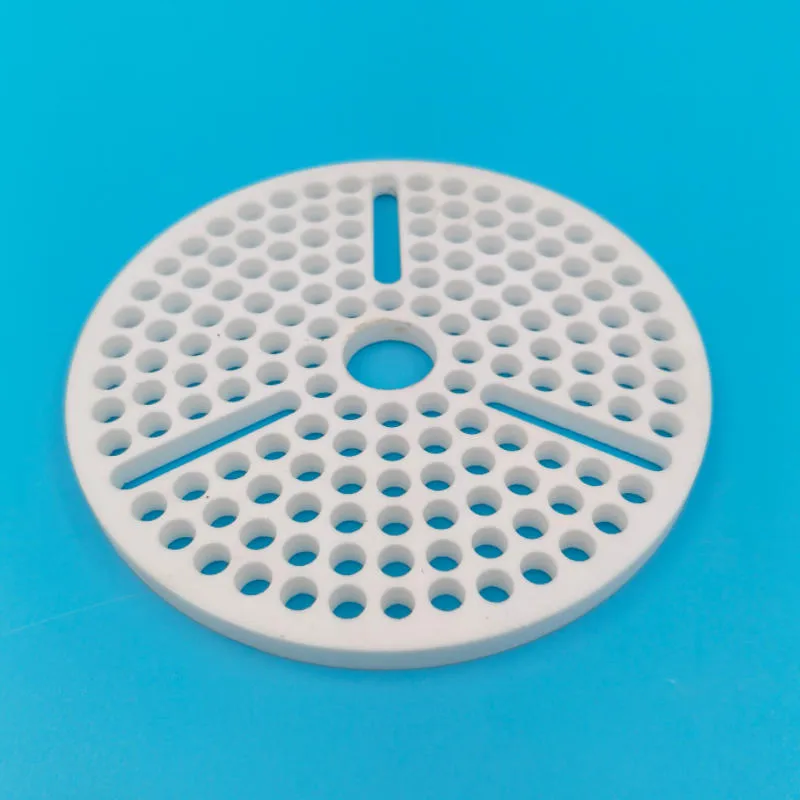
96% Alumina Ceramic Substrate Custom 96% Alumina Ultrathin Ceramic Sheet


Material: Aluminum Oxide, Alumina, 96% Al₂O₃

Sizes:Min-thickness: 0.1mm; Max-length: 500mm

Customized: Can be custom for special sizes and shapes

Delivery Times:2 -25 days(depends on the structure and quantity)

Features:High hardness, High temperature resistance, Wear resistance, Corrosion resistance, High insulation

  1. Fracture Toughness (MPa·m¹/²): 3.8-4.4
  2. Refractoriness: 1500-1750℃
  3. Density: 3.7-3.95g/cm3
  4. Flexural Strength (MPa): 300-375
  5. Thermal Conductivity: 25-30W/M.K
Transport Package: Cartons, Wooden Box

Shipment: by sea by air by courier by post etc.

    Welcome to leave us a message

  • Close

Product Description

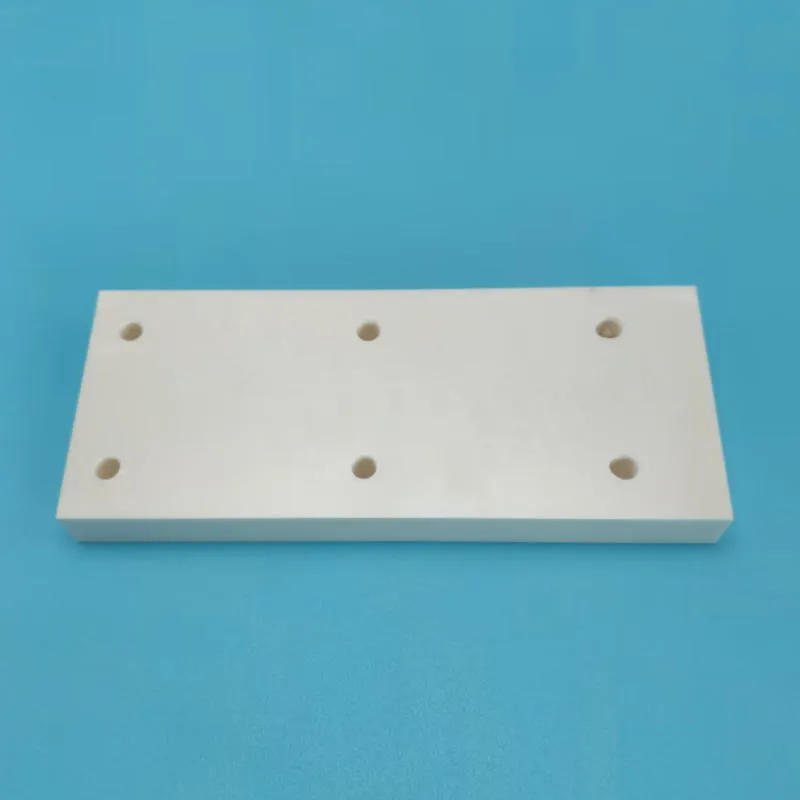
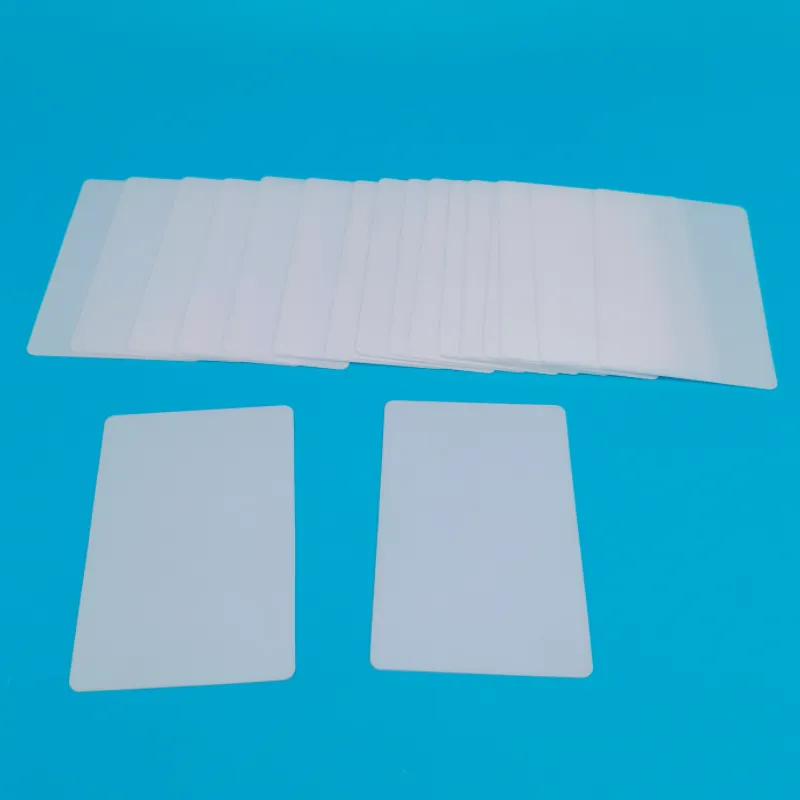
96% alumina ceramic substrate is a high-performance ceramic material with 96% high-purity alumina (Al₂O₃) as its main component. Due to its excellent mechanical, electrical, and thermal properties, it has become one of the most mainstream ceramic substrates in the electronics industry.

96% alumina ceramic substrate possesses good insulation properties, high temperature resistance, high strength and hardness, chemical stability, and good processing performance. These characteristics make it widely used in electronic packaging, hybrid microelectronics, multi-chip modules, power electronics, and other fields.

Core Performance Advantages

Main Performance Indicators:

Test Items

Standards

Test Conditions

Values

Bulk Density


≥3.7g/cm3

Surface Roughness


0.2~0.6μm

Water Absorption


0%

Flexural Strength


≥330Mpa

Hardness


≥14Gpa

Coefficient of Thermal Expansion

20~500℃

6.5~8.0*10-6K-1

Thermal Conductivity


≥21W/(m·K)

Breakdown Strength

20℃

≥15KV/mm

Resistivity

100℃

≥1*1014Ω·cm

Dielectric Constant


9-10

Loss Tangent


≤0.0004


The 96% alumina ceramic substrate exhibits highly balanced "all-around" characteristics in mechanical, electrical, thermal, and chemical properties:
1. High Insulation and Low Dielectric Loss

Volume resistivity ≥1×10¹⁴ Ω·cm, breakdown strength ≥15 kV/mm, dielectric constant stable at 9–10, loss tangent ≤0.0004 (1MHz), suitable for high-frequency and high-voltage circuits, ensuring signal transmission stability.

2. Good Thermal Conductivity

Thermal conductivity ≥21 W/(m·K), effectively conducting heat generated during power device operation, preventing localized overheating and failure, suitable for medium- to high-power electronic modules.

3. Excellent Mechanical Strength and Hardness

Flexural strength ≥330 MPa, hardness ≥14 GPa, Mohs hardness reaches 9, wear resistance far exceeding that of metallic materials, providing solid support for chips.

4. Excellent Thermal Stability and Chemical Inertness

It can operate stably for extended periods at 1600℃. Its coefficient of thermal expansion (6.5–8.0 × 10⁻⁶/K) matches silicon chips well, reducing the risk of thermal stress cracking. It is also resistant to strong acids and alkalis, making it suitable for harsh industrial environments.

5. High Cost-Effectiveness and Ease of Processing

Compared to 99% alumina, 96% alumina is cheaper and easier to cut and drill, making it suitable for mass production and achieving an optimal balance between performance and budget.

Main Application Areas

Due to the above performance advantages, 96% alumina ceramic substrates are widely used in the following fields:

1. Electronic Packaging and Power Modules

As a substrate for thick/thin film circuits, it is widely used in the packaging of power devices such as IGBTs and MOSFETs, and is a core carrier for new energy vehicle electronic control systems, on-board chargers, and DC-DC converters.

2. 5G Communication and RF Devices

In 5G base station power amplifiers, its low dielectric loss characteristics ensure high-frequency signal integrity, with over 100 units used per base station.

3. LED and Optoelectronic Packaging

Used as a heat dissipation substrate for medium- and high-power LED chips, effectively extending light source lifespan and improving luminous efficiency.

4. Industrial Power Electronic Equipment

Applications in power units of inverters, servo drives, photovoltaic inverters, etc., ensuring long-term reliable operation under high-voltage and high-temperature environments.

5. Medical Devices and Aerospace

Used in artificial joints, dental prostheses, and high-temperature resistant components for spacecraft, benefiting from its biocompatibility and stability in extreme environments.

6. New Energy Battery Safety Protection

As a ceramic separator or insulating sheet in battery packs, it provides rapid heat dissipation and short-circuit protection, improving the safety of power batteries.