Hunan Guoci New Material Technology Co., Ltd.

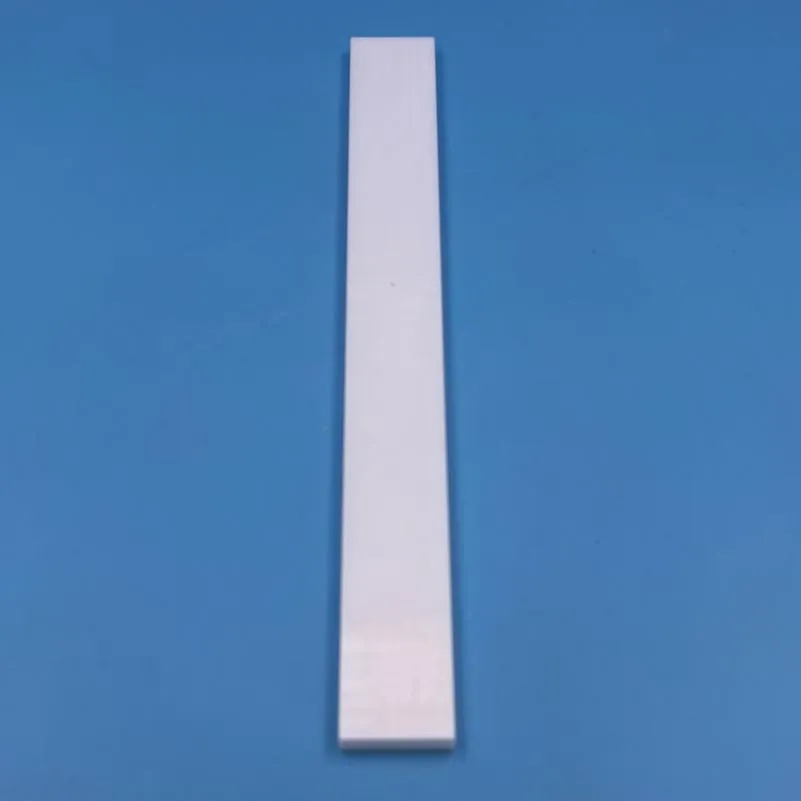
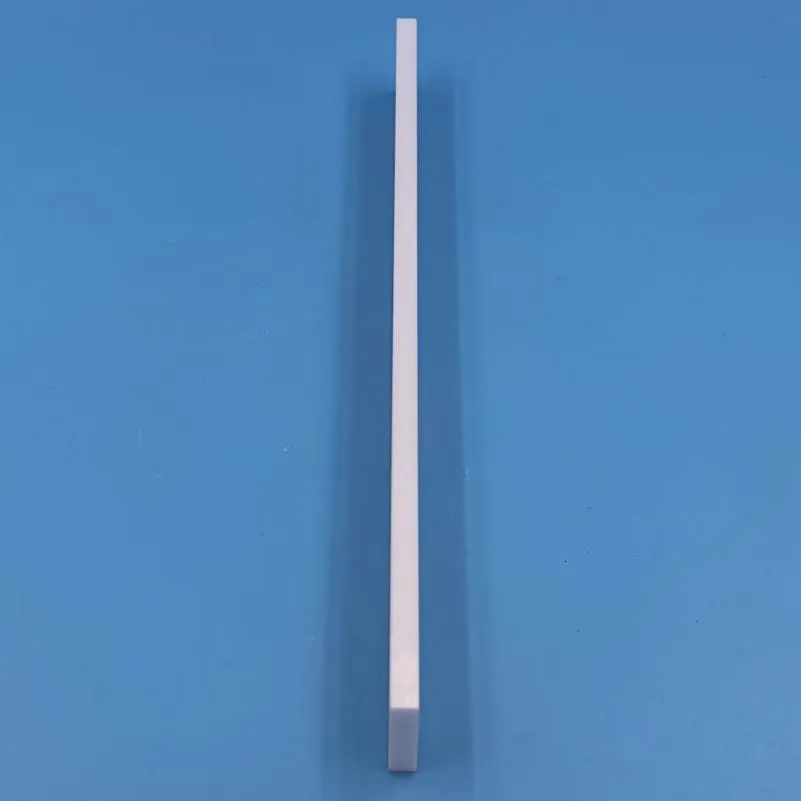
| Feature | Performance | Practical Significance |
|---|---|---|
| High Hardness & Wear Resistance | Hardness significantly exceeds that of alumina and most metals | Ideal for environments involving friction, abrasion, or powder erosion |
| High Fracture Toughness | Superior toughness for a ceramic material, approaching that of some metals | More impact-resistant than alumina; less prone to chipping |
| Heat Resistance & Thermal Insulation | Low thermal conductivity with excellent high-temperature stability | Suitable for high-temperature spacers and furnace supports |
| Corrosion Resistance | Stable against most acids, bases, and corrosive media | Ideal for chemical processing, electroplating, and wet-process environments |
| Electrical Insulation | Excellent insulating properties at room temperature | Suitable for use as insulating supports or electrode isolators |
| Bright White Appearance | Can be polished to a mirror-like finish |
Suitable for consumer goods and decorative components |
Please note that zirconia may undergo "low-temperature degradation" (aging) when exposed to high-temperature, humid, or steam-rich environments, which can lead to a decline in performance. Additionally, due to its low thermal conductivity, the material remains susceptible to cracking if subjected to rapid heating or cooling (thermal shock).
2. Textile, Printing, and Packaging Machinery
Used as yarn guide strips, doctor blades (squeegees), paper-separating blades, tape-pressing strips, and guide strips. They reduce fiber wear and metal-induced scratching, while also resisting erosion from dust and particles.
3. Electrical and Electronic Insulation
Utilized as insulating support strips, electrode isolation strips, spacers for heating elements, and insulation components for battery testing fixtures, taking advantage of the material's electrical insulation and high-temperature resistance.
4. Industrial Furnaces and High-Temperature Equipment
Used as furnace spacers, support strips, thermocouple fixtures, and heating element isolators to prevent metal contamination and high-temperature oxidation.
5. Chemical Processing and Electroplating Equipment
Used for support strips, guide rails, sealing blocks, and wear-resistant components for pumps and valves in corrosive environments; these offer superior resistance to acids, alkalis, and corrosive media compared to metals.
6. Semiconductor and Precision Equipment
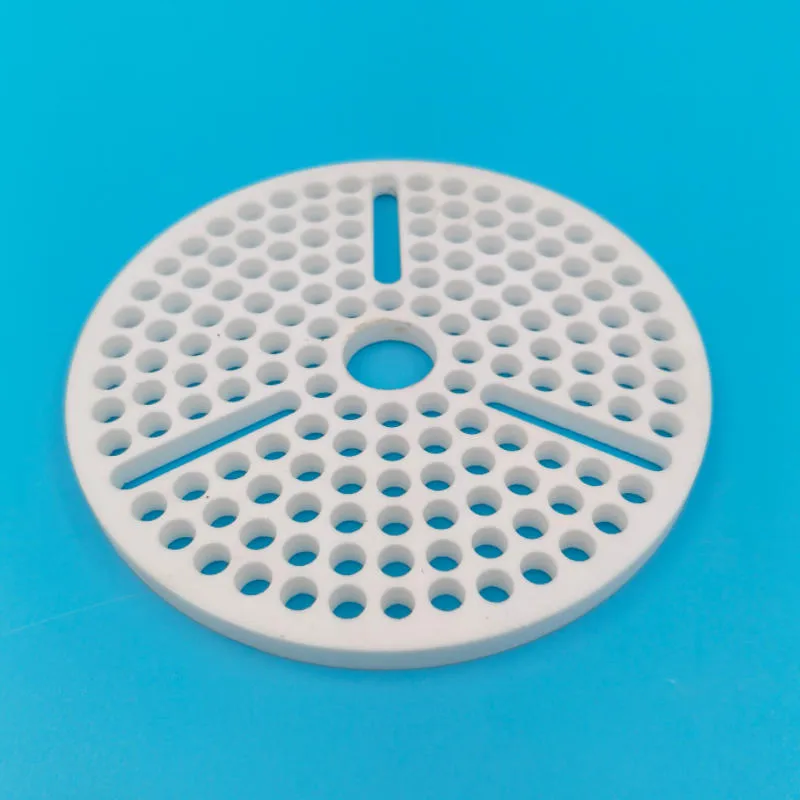
Used as wear-resistant insulating components, wafer support strips, positioning guides, and corrosion-resistant fasteners within process chambers. Semiconductor applications typically demand high purity, minimal metallic impurities, and high material density.
7. Consumer Goods and Decorative Components
Used for watch straps, watch case inserts, mobile phone trim, and structural elements in jewelry, leveraging the material’s bright, clean appearance, wear resistance, and hypoallergenic properties.
8. Medical and Laboratory Instruments
Used for wear-resistant parts in medical instruments, fixture spacers, and corrosion-resistant supports. Note that for medical applications, the material’s biocompatibility and resistance to cleaning and sterilization processes must be verified.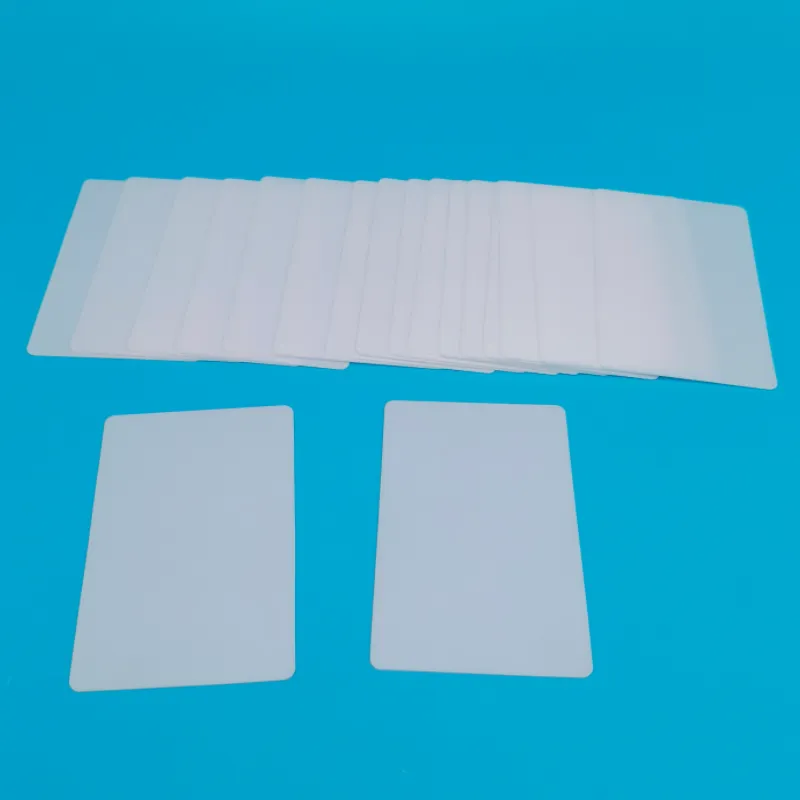


 +86 181 0845 7259
 marketing@guociceramic.com
 English
 Español
 Deutsch
 اللغة العربية
 Русский язык
