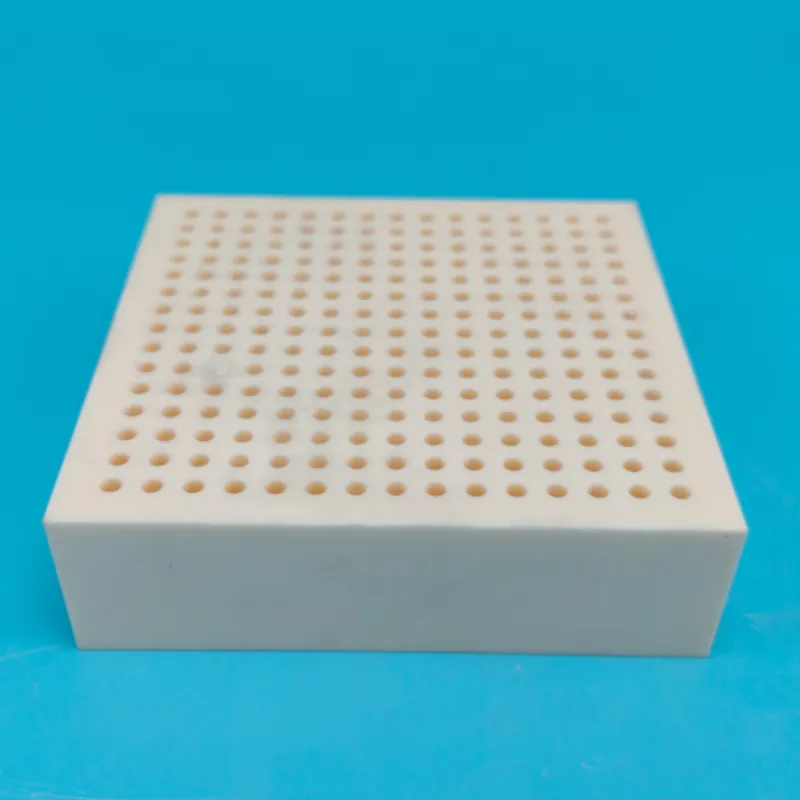
Ceramic Plates

Hunan Guoci New Material Technology Co., Ltd.

Guoci Ceramics is a professional manufacturer and supplier of a variety of Zirconia Ceramic Sheets and Custom Ultra-thin 0,3mm Thick Zirconia Ceramic Plates,
Zirconia Ceramic Sheets Custom Ultra-thin 0.3mm Thick Zirconia Ceramic Plates

Zirconia Ceramic Sheets Custom Ultra-thin 0.3mm Thick Zirconia Ceramic Plates


Material: Zirconium Oxide, Zirconia, ZrO2

Sizes:Min-OD: 0.02mm; Max-length: 500mm

Features:High fracture toughness, Excellent wear resistance, Low coefficient of friction, Excellent biocompatibility.

Customized: Can be custom for special sizes and shapes

Delivery Times:2 -25 days(depends on the structure and quantity)

  1. Fracture Toughness (MPa·m¹/²): 6 - 12
  2. Refractoriness: 1000℃
  3. Density: 5.9-6.0 g/cm3
  4. Flexural Strength (MPa): 800-1300
  5. Thermal Conductivity: 2.5W/M.K
Transport Package: Cartons

Shipment: by sea by air by courier by post etc.

    Welcome to leave us a message

  • Close

Product Description

Zirconia ceramic sheets inherit the core advantages of zirconia materials: high strength and high toughness. Their unique combination of properties makes them play a key role in a wide range of fields, from everyday consumer goods to cutting-edge technology.

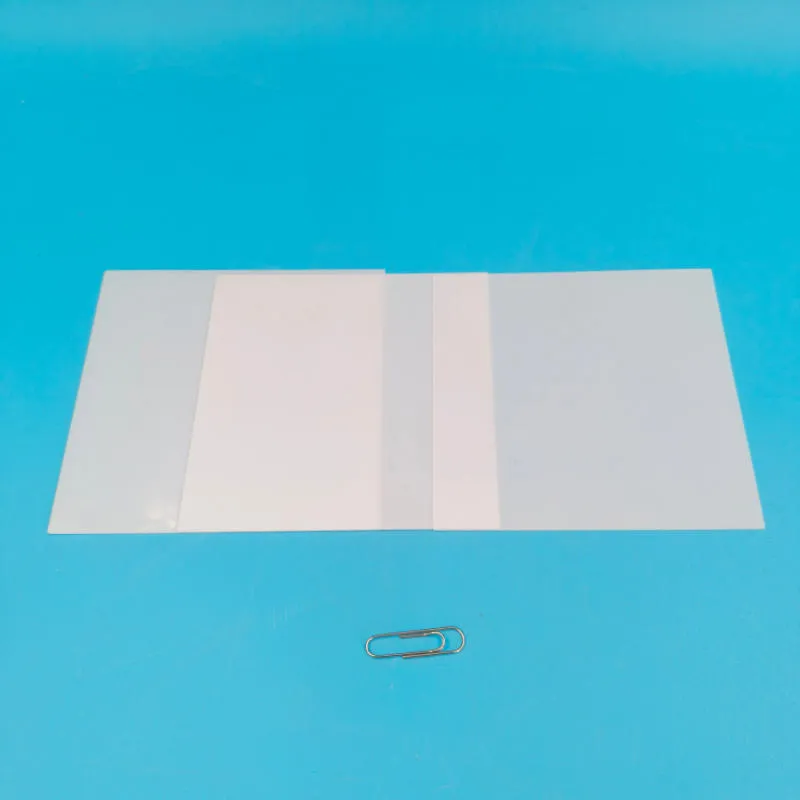
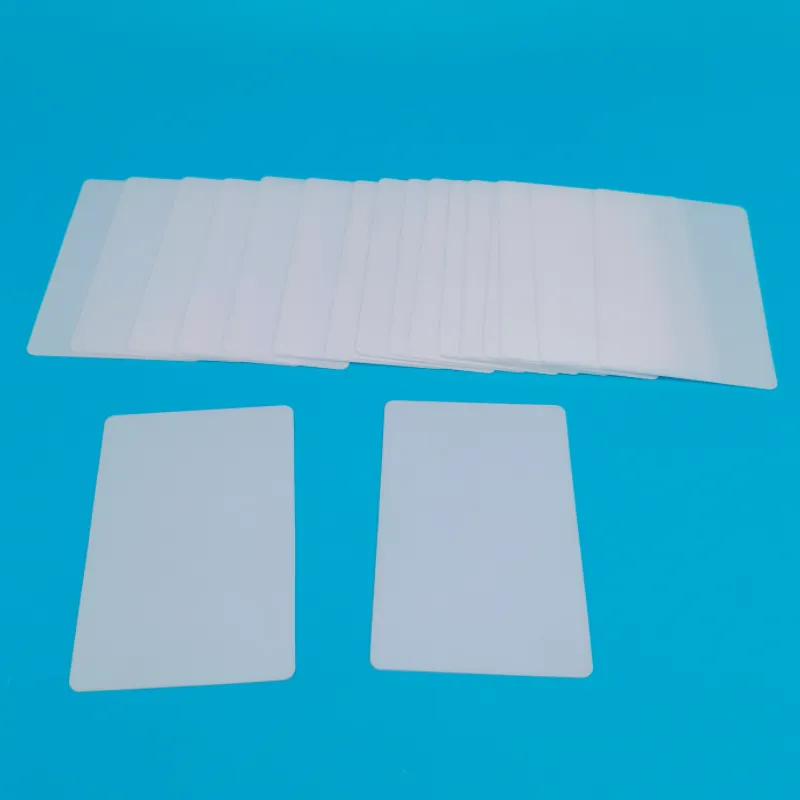
Zirconia ceramic sheets typically refer to precision ceramic components with a thickness between 0.1mm and 1mm. They can be custom-processed into various shapes and sizes, with a minimum thickness of 0.1mm. The zirconia ceramic sheets shown in the image above have thicknesses of 0.3mm and 0.5mm. The specific achievable thickness depends on the actual size of the ceramic sheet.

Performance Advantages of Zirconia Ceramic Sheets

1. Extremely high strength and toughness: This is the most outstanding characteristic of zirconia. Its flexural strength can exceed 1000 MPa, and its fracture toughness is as high as 6.5-11 MPam¹/², far exceeding that of alumina ceramics. This gives the thin sheets excellent impact resistance and crack propagation resistance, making them less prone to breakage.

2. High hardness and wear resistance: The material has high hardness and excellent wear resistance. Data shows that its wear resistance can be up to 15 times that of alumina ceramics, making it ideal for manufacturing wear-resistant parts requiring long service life.

3. Excellent corrosion resistance and chemical stability: It can withstand most acid and alkali corrosion and remains stable and reliable in harsh environments such as chemical and medical fields.

4. Unique thermal insulation properties: Its thermal conductivity is very low (approximately 2.5 - 5 W/mK), less than one-tenth that of alumina ceramics, making it an excellent thermal insulation material.

5. Exceptional Thermal and Electrical Properties:

  • Its coefficient of thermal expansion is similar to steel, approximately 10⁻¹¹ x 10⁻⁶/K, allowing it to be used in conjunction with metal components under specific conditions.
  • High Dielectric Constant: With a dielectric constant reaching 29-32, it is an ideal material for manufacturing high-frequency electronic components.

6. Customizable Functionality: By adding conductive materials, black or milky-white zirconia sheets with antistatic (ESD) properties can be fabricated to meet the specific needs of industries such as semiconductors.

Application

Zirconium oxide ceramic sheets are a high-performance structural ceramic material widely used in industrial, medical, electronics, and aerospace fields due to their excellent mechanical, thermal, and chemical stability.

1. Precision Industry and Machinery Manufacturing: Utilizing its high hardness, high wear resistance, and high toughness, it is widely used in the manufacture of mechanical seals, cutting tools, ceramic bearings, and wear-resistant guide wheels and cutting blades in the textile industry, significantly improving component lifespan and precision.

2. Electronics and Semiconductors:
  • Substrates and Antennas: Utilizing its high dielectric constant and low dielectric loss, it can be used as circuit boards, sensor boards, and in the manufacture of miniaturized antennas that can be integrated into IC cards.
  • Antistatic Components: In semiconductor manufacturing, zirconia sheets with antistatic properties are used to make nozzles, clamps, and tweezers, preventing electrostatic damage to precision electronic components.

3. New Energy and Chemical Industry: Due to its corrosion resistance, high temperature resistance, and electrical insulation properties, it is used in the manufacture of membranes for solid oxide fuel cells (SOFCs), lithium battery materials, and key components such as metering valves and ball valve seats in chemical processes.

4. Medical and Biotechnology: Its biocompatibility, corrosion resistance, and high hardness make it suitable for insulating components in medical instruments, surgical instruments, and endoscopes.

5. Consumer goods and smart wearables: Due to their aesthetic appeal and durability, they are also used as decorative watch cases for high-end watches, smart wearable devices, NFC devices, smart IC cards, ceramic scissors, ceramic kitchen knives, and anti-static tweezers, among other products.