Ceramic Plates

Hunan Guoci New Material Technology Co., Ltd.

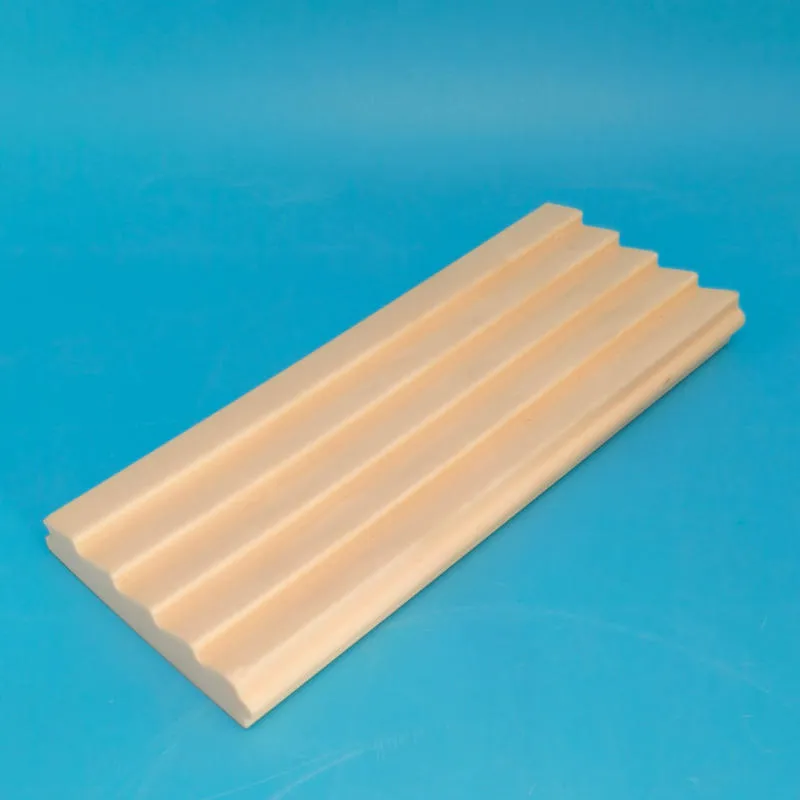
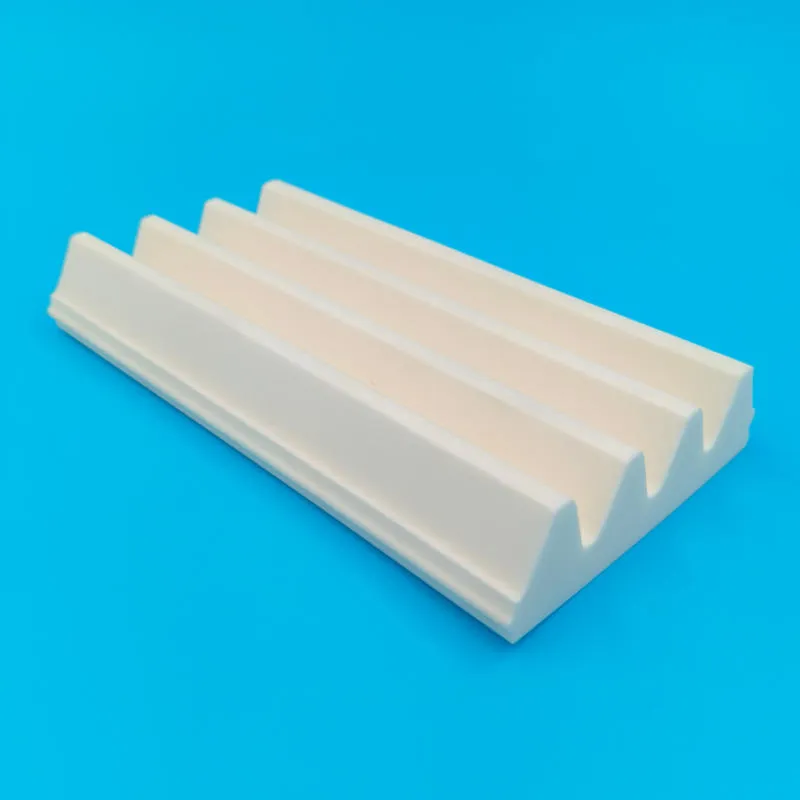
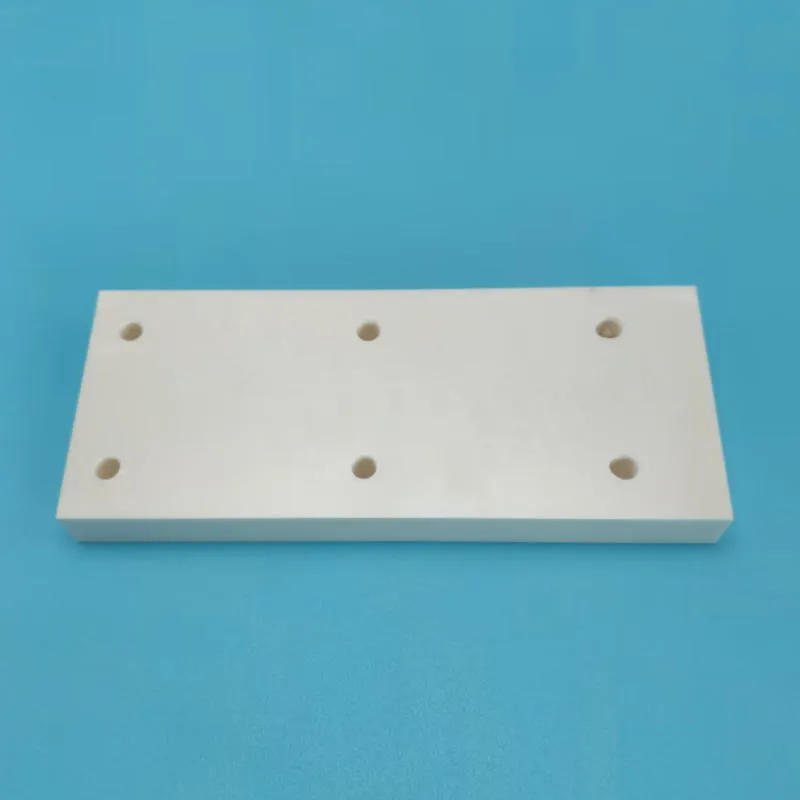
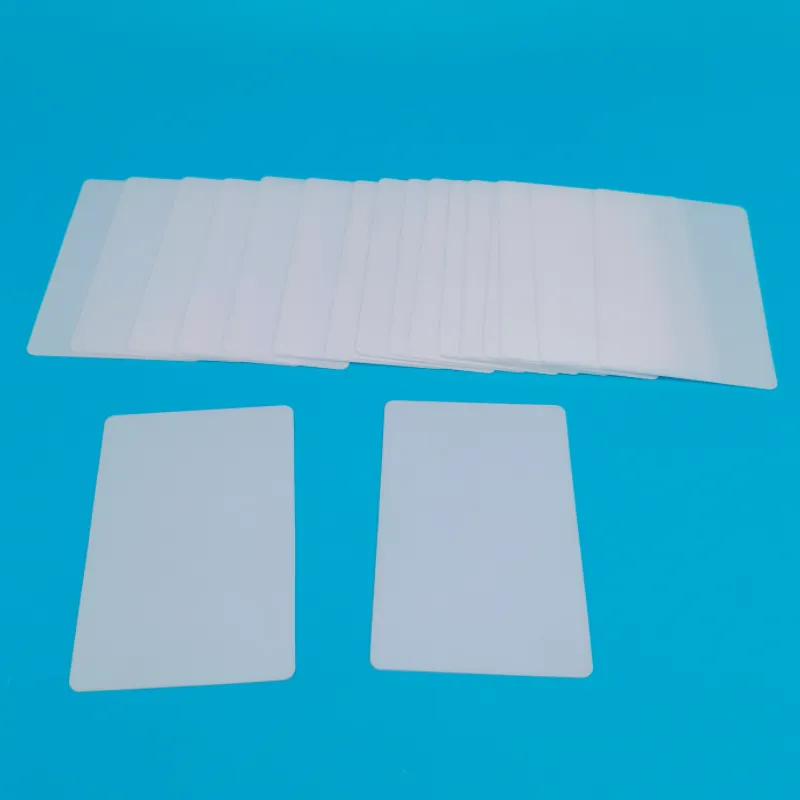
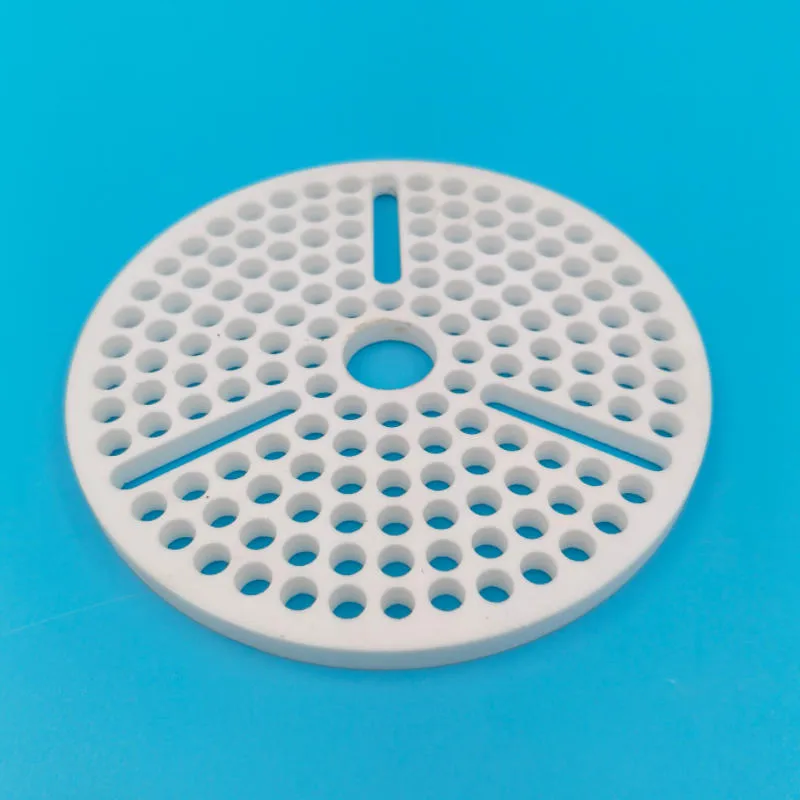
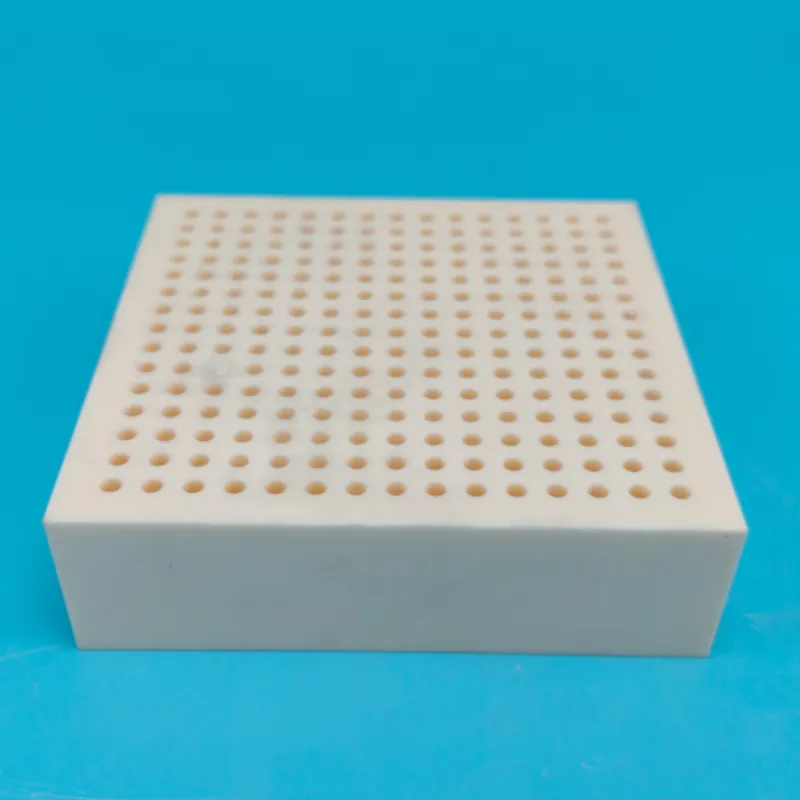
Guoci Ceramics is a professional manufacturer and supplier of a variety of Wear-resistant Alumina Ceramic Plates for Lithium Battery Production and Custom Serrated Alumina Ceramic Insulating Plates,
Wear-resistant Alumina Ceramic Plates for Lithium Battery Production
Serrated 95% 99% alumina ceramic plates for lithium battery production lines
Custom Serrated 95% 99% Alumina Ceramic Insulating Plates for Lithium Battery Production

Wear-resistant Alumina Ceramic Plates for Lithium Battery Production Custom Serrated Alumina Ceramic Insulating Plates


Material: Aluminum Oxide, Alumina, 95%-99.9% Al₂O₃

Sizes:Min-OD: 0.02mm; Max-length: 500mm

Customized: Can be custom for special sizes and shapes

Delivery Times:2 -25 days(depends on the structure and quantity)

Features:High hardness, High temperature resistance, Wear resistance, Corrosion resistance, High insulation

  1. Fracture Toughness (MPa·m¹/²): 3.8-4.4
  2. Refractoriness: 1500-1750℃
  3. Density: 3.7-3.95g/cm3
  4. Flexural Strength (MPa): 300-375
  5. Thermal Conductivity: 25-30W/M.K
Transport Package: Cartons, Wooden Box

Shipment: by sea by air by courier by post etc.

    Welcome to leave us a message

  • Close

Product Description

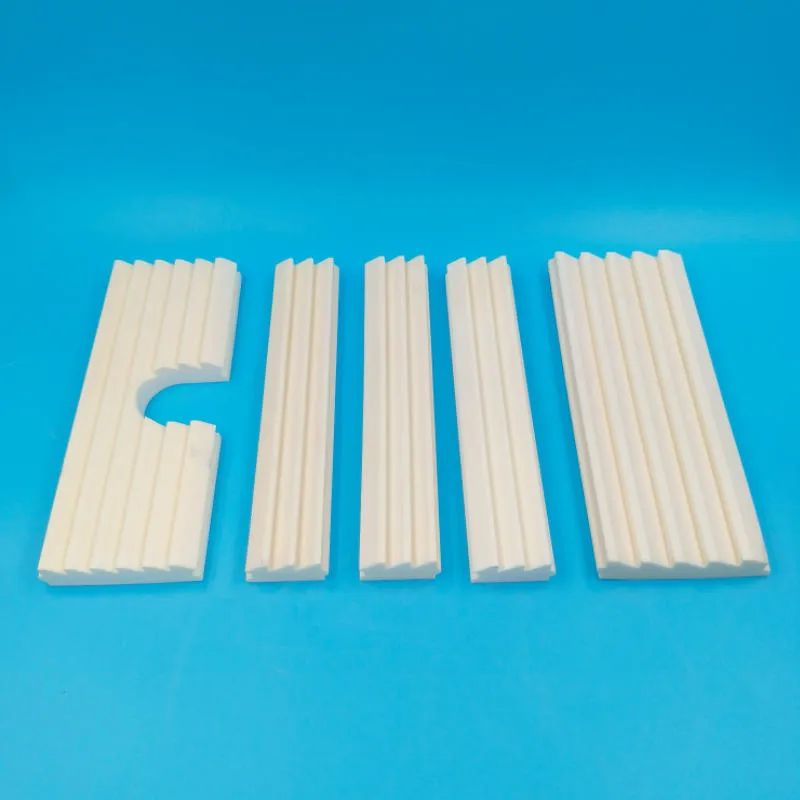
Serrated alumina ceramic plates are functional ceramic components with a special surface structure used in lithium battery production lines. Thanks to their superior physicochemical properties, they play a crucial role in improving production efficiency and ensuring product quality and safety.

In lithium battery production, serrated alumina ceramic plates primarily serve as core components of high-precision positioning carriers or electrode slitting blades. Utilizing their dual characteristics of high hardness and wear resistance, as well as insulation and corrosion resistance, they address the pain points of traditional metal components, such as easy wear and chipping, short circuits, and poor resistance to electrolyte corrosion, directly improving the assembly density and yield rate of battery production.

This serrated design is not merely a simple structural modification; it's designed to achieve higher density wafer or electrode fixing within a limited space, while leveraging the excellent chemical inertness of ceramics to resist electrolyte corrosion.

Key Performance Advantages: Why Choose Serrated Ceramic Plates?

Serrated alumina ceramic plates are typically made from high-purity alumina (such as 95% alumina or higher purity). Their serrated design aims to increase surface friction, improve positioning, or achieve specific mechanical functions, while inheriting the inherent advantages of alumina ceramics: excellent wear resistance and mechanical strength, superior high-temperature resistance and thermal stability, strong corrosion resistance and chemical inertness, good insulation properties, dimensional stability, and low contamination.

Compared to traditional stainless steel or engineering plastic components, alumina ceramic plates with integrated serrated structures offer irreplaceable advantages under the harsh operating conditions of lithium batteries:

1. Eliminatesmetal contamination and improves battery safety

  • Insulation properties: Alumina ceramics are excellent insulators, completely eliminating the risk of leakage or micro-short circuits that may occur with metal components under high-voltage environments.
  • Zero metal deposition: Lithium battery electrolytes (containing LiPF6, etc.) are highly corrosive. Long-term contact with metal components can easily lead to the deposition of iron and copper ions, causing battery self-discharge or even thermal runaway. Alumina ceramics are chemically extremely stable and do not react with the electrolyte, ensuring the purity and long lifespan of the battery cell from the source.

2. Extreme wear resistance, reduced maintenance costs

  • Double lifespan: In high-wear processes such as mixing and slitting, metal tools or guides often need frequent replacement (e.g., every 72 hours), while alumina ceramic components can have a lifespan exceeding 2000 hours, reducing maintenance costs by more than 80%.
  • Dimensional stability: Theserratedstructure requires extremely high dimensional accuracy. The ceramic material hardly deforms under long-term friction, ensuring positioning accuracy in continuous production and avoiding electrode alignment deviations caused by wear.

3. Optimized structure, adaptable to miniaturization and high-density requirements

  • Space utilization: The "serrated structure" design essentially increases fixing points or flow channels within a limited space through structural innovation. The high strength of ceramic materials (flexural strength up to 300-600 MPa) allows for the design of thinner, more denselyserratedcomplex structures, thereby increasing the internal assembly density of equipment and meeting the current technological trend of miniaturization and integration in lithium battery equipment.
  • Temperature and heat resistance: The drying and sintering processes in lithium battery production involve high temperatures. Alumina ceramic plates maintain structural stability above 1000℃, unlike plastics which soften and deform.

Main Applications in Lithium Battery Production Lines

Based on the above characteristics, serrated alumina ceramic plates have specific applications in various stages of lithium battery manufacturing:

1. Powder material conveying and positioning systems:
  • In the production lines of positive and negative electrode materials, alumina wear-resistant ceramic pipes are widely used in closed conveying systems from batching and mixing to sintering. Serrated ceramic plates can serve as key components in this system, such as wear-resistant liners for conveyor belt steering mechanisms, wear-resistant toothed plates for vibrating screens, or positioning baffles for precision feeders. Their wear resistance significantly extends equipment lifespan and reduces maintenance frequency and the risk of impurity contamination.
  • In powder feeding and mixing processes, serrated plates can enhance the wear resistance of container inner walls or serve as reinforcing components for agitators, resisting wear from high-hardness materials (such as silicon-carbon anodes).

2. Electrode Manufacturing and Processing:
  • In coating, rolling, and slitting processes, serrated alumina ceramic plates can serve as wear-resistant coatings for guide rollers, friction plates for tension control systems, or positioning plates for electrode transport paths. Their wear resistance protects the equipment, while their high smoothness and chemical stability prevent scratches or contamination of the electrode surface.
  • In electrode drying furnaces, serrated ceramic plates serve as trays or guides for supporting and transporting electrodes in high-temperature environments. Their high-temperature resistance and dimensional stability ensure the flatness and consistency of the electrodes during heat treatment.

3. Battery Assembly and Insulation Support:
  • In cell stacking and module assembly stations, serrated alumina ceramic plates can be used to fabricate high-precision insulating positioning fixtures or support platforms. Their serrated structure facilitates precise alignment and fixation of cells or modules, while their ultra-high insulation performance provides a safety baseline for high-voltage operating environments.
  • In battery testing and aging racks, ceramic insulating plates (including serrated designs to enhance heat dissipation or positioning) are used to isolate battery cells, preventing heat diffusion or electrical short circuits.

4. High-Temperature Sintering and Heat Treatment Equipment:
  • Inside core high-temperature equipment such as cathode material sintering furnaces, serrated alumina ceramic plates can serve as refractory supports for crucibles or materials, and wear-resistant guides for propulsion systems. It can operate without deformation for extended periods at temperatures of 800℃ or even higher, and withstands the erosion of high-temperature ash slag, ensuring the stability of the sintering process and the purity of the materials.