Custom Components

Hunan Guoci New Material Technology Co., Ltd.

alumina ceramic,technical ceramics,ceramic parts
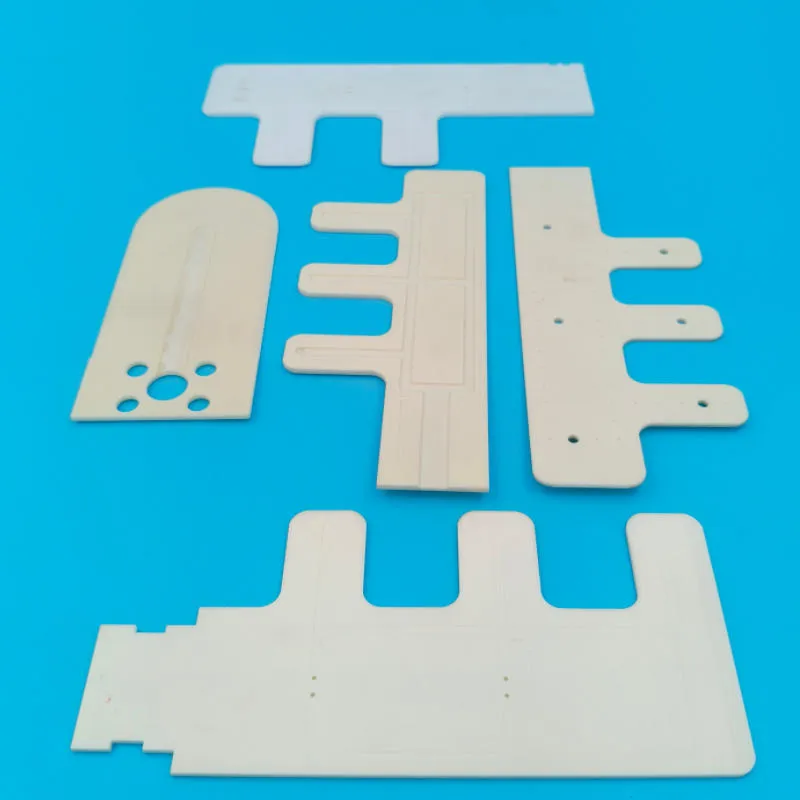
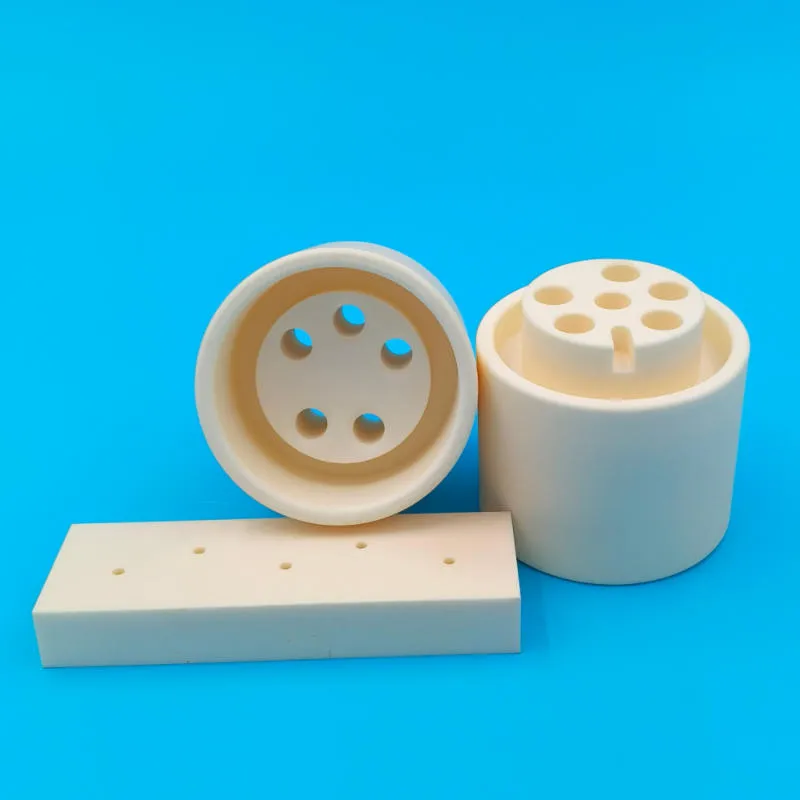
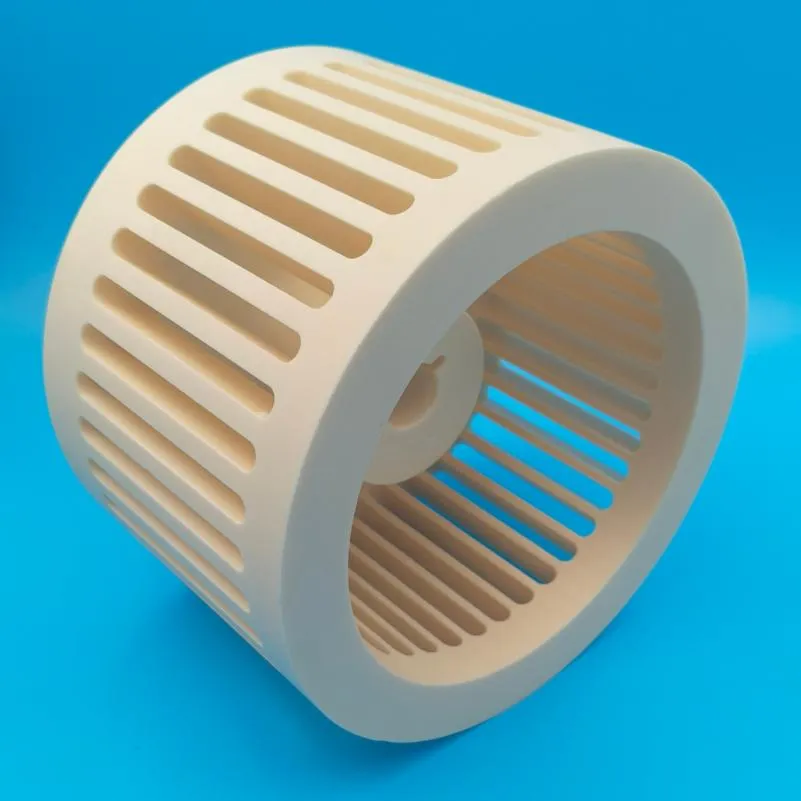
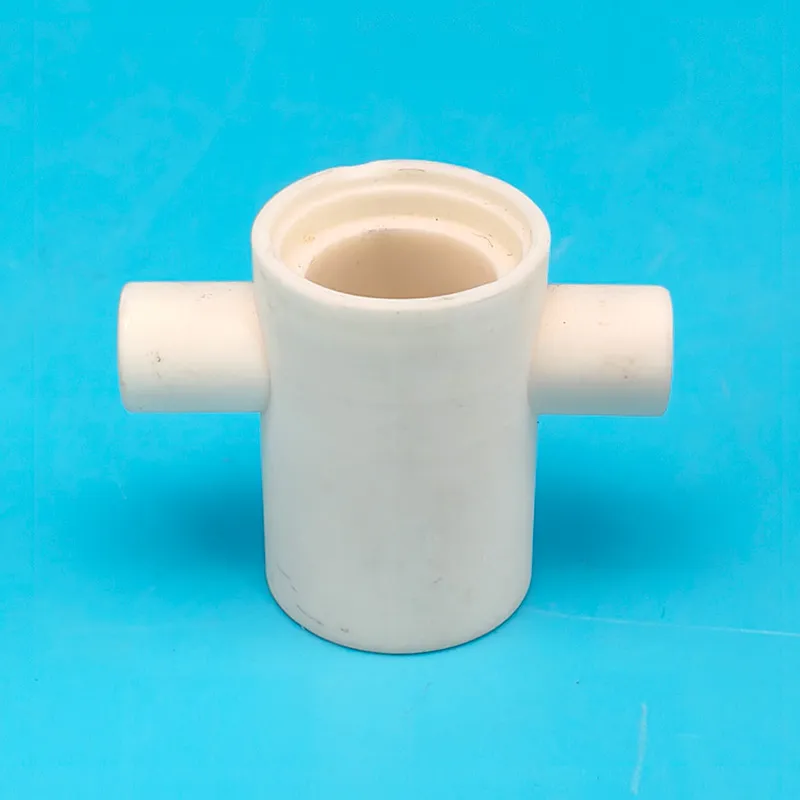
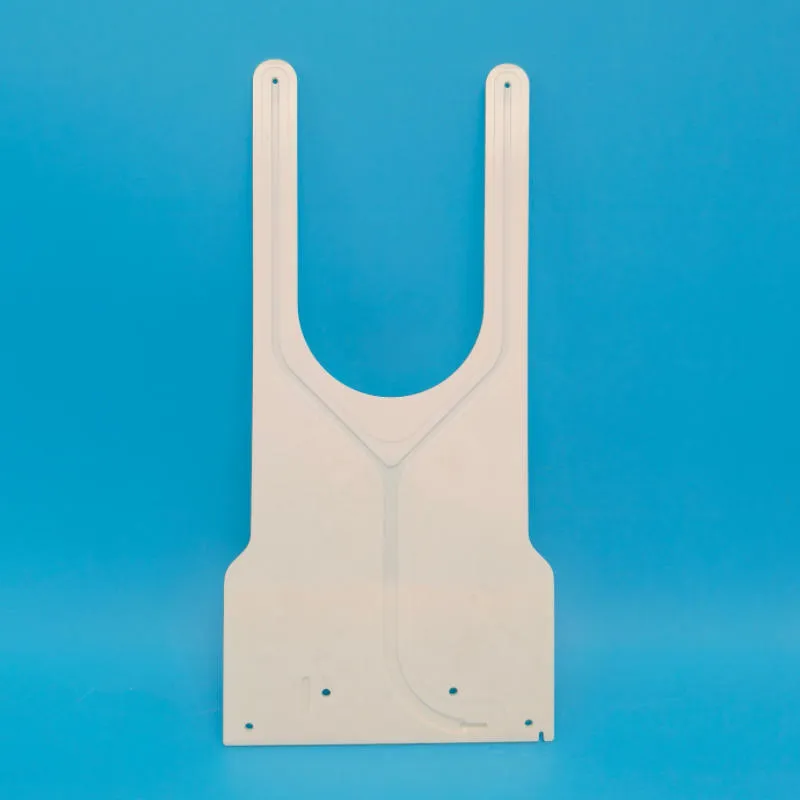
Alumina ceramic end effectors and ceramic robotic arms

Alumina Ceramic End Effector Custom Ceramic Robotic Handling Arm


Material: Aluminum Oxide, Alumina, 95%-99.9% Al₂O₃

Sizes:Min-OD: 0.02mm; Max-length: 500mm

Customized: Can be custom for special sizes and shapes

Delivery Times:2 -25 days(depends on the structure and quantity)

Features:High hardness, High temperature resistance, Wear resistance, Corrosion resistance, High insulation

  1. Fracture Toughness (MPa·m¹/²): 3.8-4.4
  2. Refractoriness: 1500-1750℃
  3. Density: 3.7-3.95g/cm3
  4. Flexural Strength (MPa): 300-375
  5. Thermal Conductivity: 25-30W/M.K
Transport Package: Cartons, Wooden Box

Shipment: by sea by air by courier by post etc.

    Welcome to leave us a message

  • Close

Product Description

Alumina ceramic end effectors (Robotic arms or handling arms) refer to robotic end tools made from alumina ceramic materials, mainly including ceramic grippers, ceramic suction cups, and ceramic tools for specific processes.

Alumina ceramic end effectors are the most widely used and typical components of alumina ceramic materials in industrial robotic arms. The end effector is the "hand" of the robotic arm that directly contacts the workpiece, performing operations such as gripping, handling, and placing; its performance directly affects the efficiency and product quality of the entire automation system.

Core Advantages: Why Choose Alumina Ceramic?

When choosing end effector materials, alumina ceramics offer a series of irreplaceable advantages:

1. Extreme Cleanliness, Zero Contamination.

  • The dense and smooth surface of ceramics prevents the generation of fine particles due to friction, unlike metals. This is crucial for industries such as semiconductors, panels, and pharmaceuticals.
  • Ceramics are inert materials and do not release metal ions into workpieces (such as silicon wafers), ensuring product purity and high yield.

2. Excellent Wear Resistance. 

  • Alumina ceramics have extremely high hardness (Mohs hardness 9, second only to diamond). During frequent gripping or contact with workpieces, wear is minimal, resulting in a lifespan far exceeding that of stainless steel and engineering plastics, significantly reducing maintenance and replacement frequency.

3. Excellent Electrical Insulation. 

  • Non-conductive, it can be safely operated in charged environments or used to grip precision electronic components requiring protection against electrostatic discharge.
4. High Hardness and Scratch Resistance
  • Its high hardness ensures it won't be scratched by workpieces. Furthermore, the carefully polished ceramic surface won't scratch delicate workpiece surfaces such as glass, mirrored metal, and silicon wafers.
5. Corrosion Resistance
  • It resists most acids, alkalis, and organic solvents, making it suitable for chemical, electroplating, and spraying environments, or applications requiring frequent chemical cleaning.
6. Low Coefficient of Thermal Expansion and High Temperature Resistance
  • It maintains dimensional stability at high temperatures and is not easily deformed, making it suitable for processes requiring brief exposure to high-temperature areas.

Main Types and Application Scenarios

1. Ceramic Clamps
Directly clamp workpieces using ceramic fingers.
  • V-shaped fingers: Used for clamping cylindrical workpieces, such as shafts, rods, and battery cells.
  • Flat fingers: Used for clamping flat workpieces, such as glass plates, circuit boards, and metal sheets.
  • Customized fingers: Non-standard designs based on the specific shape of the workpiece.

Typical Applications:
  • Semiconductors: Clamping silicon wafers and ceramic packages.
  • Lithium batteries: Clamping cells and electrodes.
  • Watches/Jewelry: Clamping delicate, easily scratched parts.
  • Automotive parts: Clamping workpieces during painting or assembly.

2. Ceramic Chucks
Utilize vacuum negative pressure to adsorb workpieces. Typically, the entire chuck or key contact parts are made of alumina ceramic.
  • Porous ceramic chucks: The ceramic body has uniform micropores inside, allowing vacuum to be evenly distributed through these micropores, achieving large-area, stable adsorption.
  • Ceramic chucks with sealing grooves: Sealing ring grooves are machined on the surface of the chuck, and rubber or silicone sealing rings are installed for adsorbing workpieces with uneven surfaces.

Typical applications:
  • LCD panels and touch screens: Adsorbing and transporting large glass substrates.
  • Semiconductor photolithography: Serving as a stage for photomasks or silicon wafers, requiring extremely high flatness and cleanliness.
  • PCB/FPC: Adsorbing and positioning circuit boards.