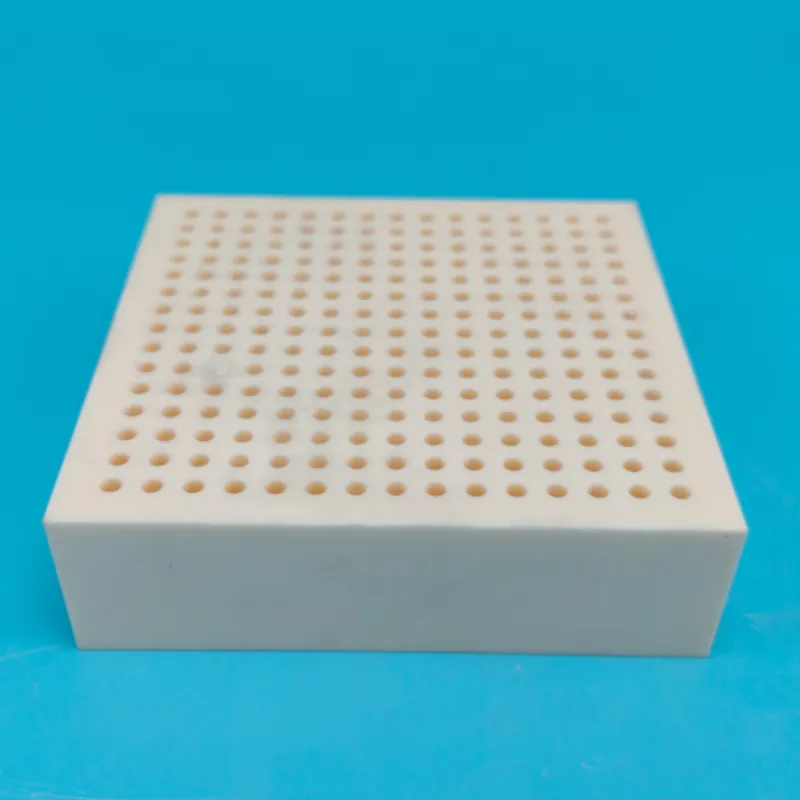
Ceramic Plates

Hunan Guoci New Material Technology Co., Ltd.

Ceramic Substrates,Ceramic Plates,Alumina Ceramic Substrates
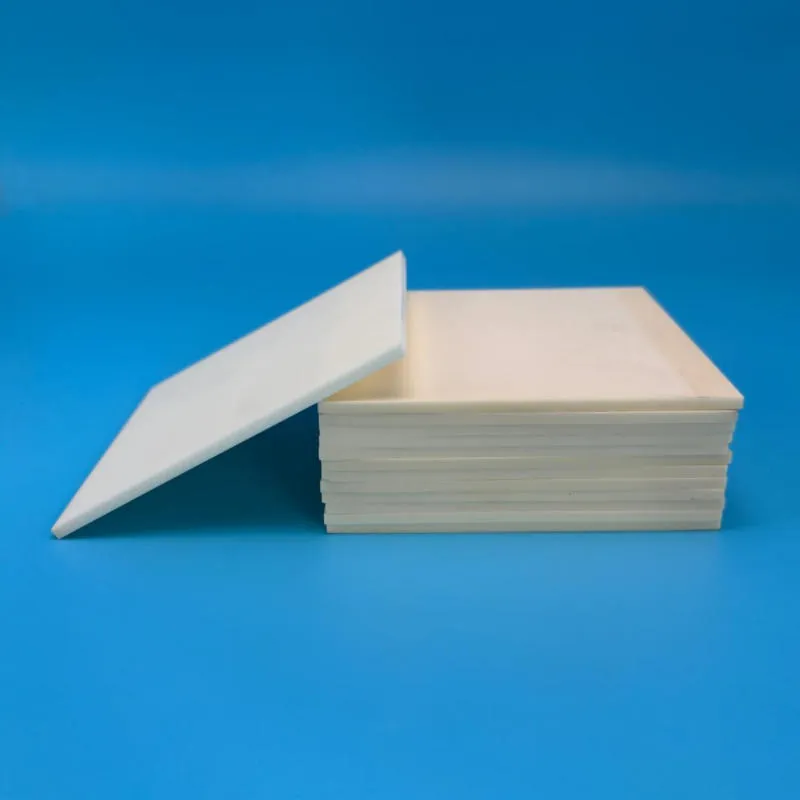
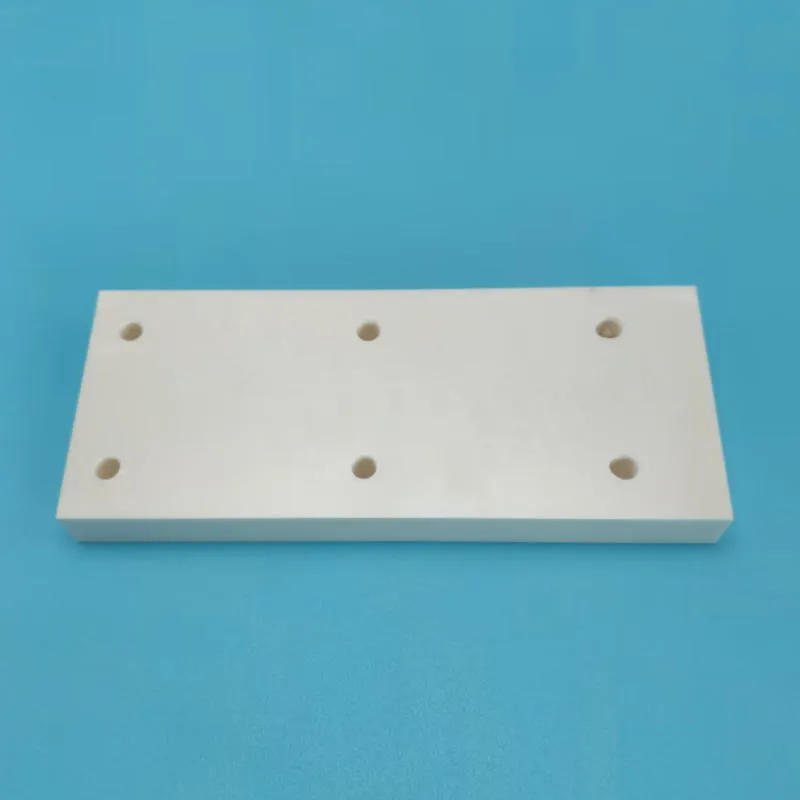
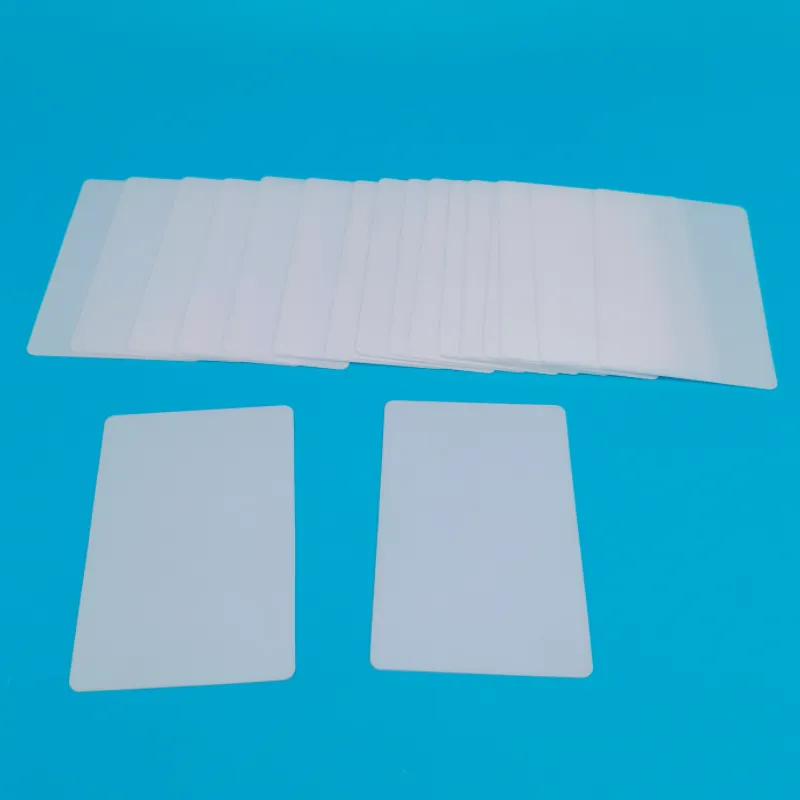
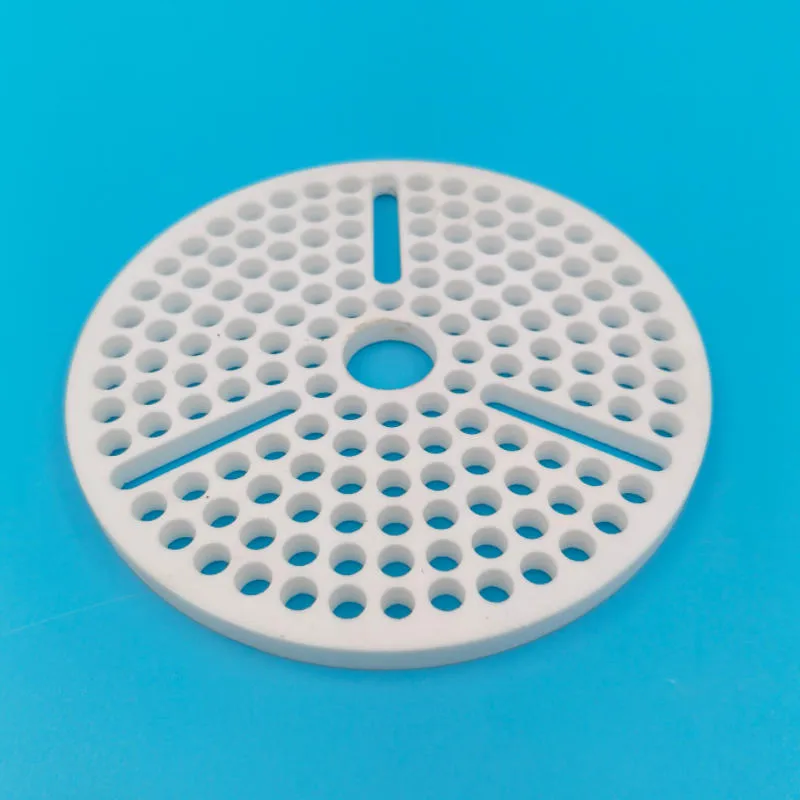
95%-99.9% Alumina Ceramic Substrates

95%-99.9% Alumina Ceramic Substrates Custom Alumina Ceramic Substrates for Electronics & Semiconductors


Material: Aluminum Oxide, Alumina, 95%-99.9% Al₂O₃

Sizes:Min-thickness: 0.2mm; Max-length: 500mm

Customized: Can be custom for special sizes and shapes

Delivery Times:2 -25 days(depends on the structure and quantity)

Features:High hardness, High temperature resistance, Wear resistance, Corrosion resistance, High insulation

  1. Fracture Toughness (MPa·m¹/²): 3.8-4.4
  2. Refractoriness: 1500-1750℃
  3. Density: 3.7-3.95g/cm3
  4. Flexural Strength (MPa): 300-375
  5. Thermal Conductivity: 25-30W/M.K
Transport Package: Cartons, Wooden Box

Shipment: by sea by air by courier by post etc.

    Welcome to leave us a message

  • Close

Product Description

Alumina ceramic substrates are high-performance ceramic materials primarily composed of high-purity alumina (Al₂O₃). With their excellent electrical insulation, high thermal conductivity, high strength, and chemical stability, they meet the requirements of high-frequency, high-speed circuits, while also possessing high thermal conductivity and low coefficient of thermal expansion, effectively improving circuit stability and reliability. They are widely used in high-end fields such as electronic packaging, power devices, 5G communications, new energy vehicles, and aerospace

Performance Advantages

1. Superior Electrical Insulation and Dielectric Properties

Alumina ceramic substrates have extremely high volume resistivity (>10¹⁴ Ω·cm) and extremely low dielectric loss at high frequencies (tanδ < 0.0004), effectively reducing signal attenuation and ensuring stable circuit operation, making them particularly suitable for high-frequency and high-speed circuits.

2. Excellent Thermal Management Capabilities

The thermal conductivity reaches 20–35 W/(m·K), far exceeding that of traditional resin substrates, efficiently dissipating chip heat and preventing overheating failure. Its coefficient of thermal expansion (~7.2×10⁻⁶/℃) is close to that of materials such as silicon and tungsten, significantly reducing the risk of cracking due to thermal stress.

3. High Strength and High Hardness

Bending strength generally exceeds 300 MPa, and the Mohs hardness reaches 9, second only to diamond, possessing excellent wear resistance and impact resistance, suitable for long-term operation under harsh conditions.

4. Excellent Chemical and Thermal Stability

Resistant to acid and alkali corrosion, it can operate stably in strong chemical environments; long-term operating temperature reaches up to 1600℃, and short-term temperature resistance can reach over 1700℃, suitable for extreme environments such as rocket engines and high-temperature furnace tubes.

5. Good Machinability and Airtightness

Complex structures can be processed through drilling, milling, grinding and other processes, with high dimensional accuracy; after sintering, it is dense and non-porous, with a water absorption rate of 0% and good airtightness, making it suitable for high reliability packaging requirements.

Application

1. Electronics Industry: Integrated Circuits and LED Packaging

As a thick/thin film circuit substrate, it supports high-density wiring and is widely used in LED light sources, IGBT modules, sensors and RF devices. 95% alumina substrates are low-cost and have mature processes, making them the mainstream choice for consumer electronics; high-purity (≥99.5%) substrates are used for high-frequency insulation and laser windows.

2. New Energy Vehicles: Electric Drive Systems and Battery Management

In electric vehicle inverters, alumina substrates using DBC/DPC copper-clad technology combine excellent heat dissipation performance and high bending strength, gradually replacing traditional resin substrates and improving the reliability of power modules.

3. 5G Communication: Base Station Filters and Antenna Arrays

With its low dielectric loss and high Q-value, alumina substrates are used in 5G base station T/R modules, millimeter-wave antennas, etc., ensuring the stability of high-frequency signal transmission and contributing to equipment miniaturization and high performance.

4. Semiconductor Industry: Semiconductor Manufacturing Equipment

The semiconductor industry has extremely high requirements for material purity and stability. Alumina ceramic substrates, with their high density (apparent porosity ≤1%), resistance to chemical corrosion (except hydrofluoric acid), and wear resistance (Mohs hardness 9), have become core components of wafer processing equipment.

5. Aerospace and Military Industry: High-Temperature Components and Thermal Protection

Used in rocket nozzle insulating rings, missile fairings, and spacecraft thermal protection systems, alumina withstands extreme high temperatures and enables lightweight design, effectively reducing launch costs.

6. Medical Devices: Implantable Sensors and Artificial Joints

High-purity alumina has excellent biocompatibility and is used to encapsulate implantable electronic devices (such as pacemakers) and manufacture artificial joints and dental implants, ensuring long-term safety and stability.

7. Machinery and Chemical Industry: Wear-resistant Parts and Corrosion-resistant Components

Made into ceramic bearings, seals, pump and valve liners, etc., with high hardness, wear resistance, and corrosion resistance, and a service life that can be more than 10 times that of metal materials.